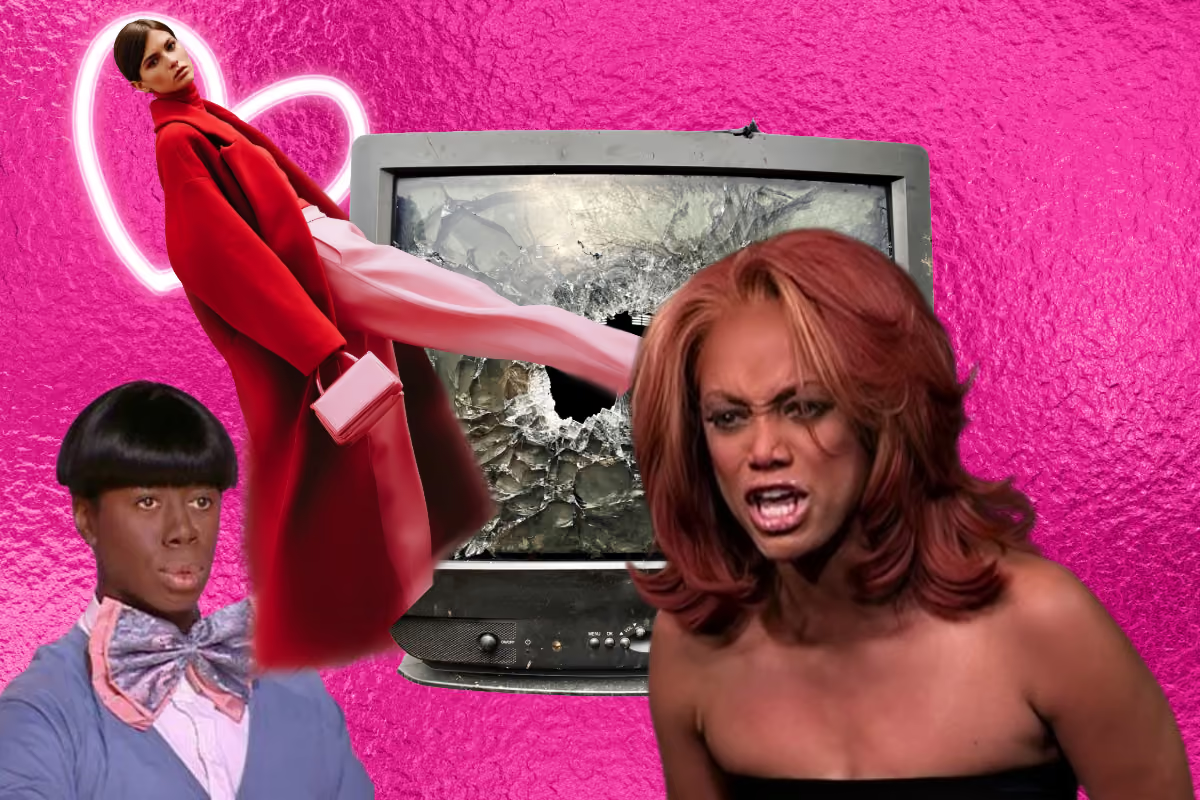
Television has shaped pop culture for generations. Few shows illustrate this influence — for better and worse — more vividly than America's Next Top Model. Over 24 seasons, the show reached millions of viewers worldwide, setting standards and sending messages about beauty, ambition, and what women must endure to succeed in the fashion industry. Many of those messages were deeply harmful.
Glamorizing Domestic Violence
The term "domestic violence" was first used in 1973 in the Parliament of the United Kingdom to describe violence experienced at home. As awareness of this issue has grown; accompanied by more resources, better education, and clearer definitions of what domestic violence looks like, a broad societal consensus has emerged: we must work collectively to prevent it.
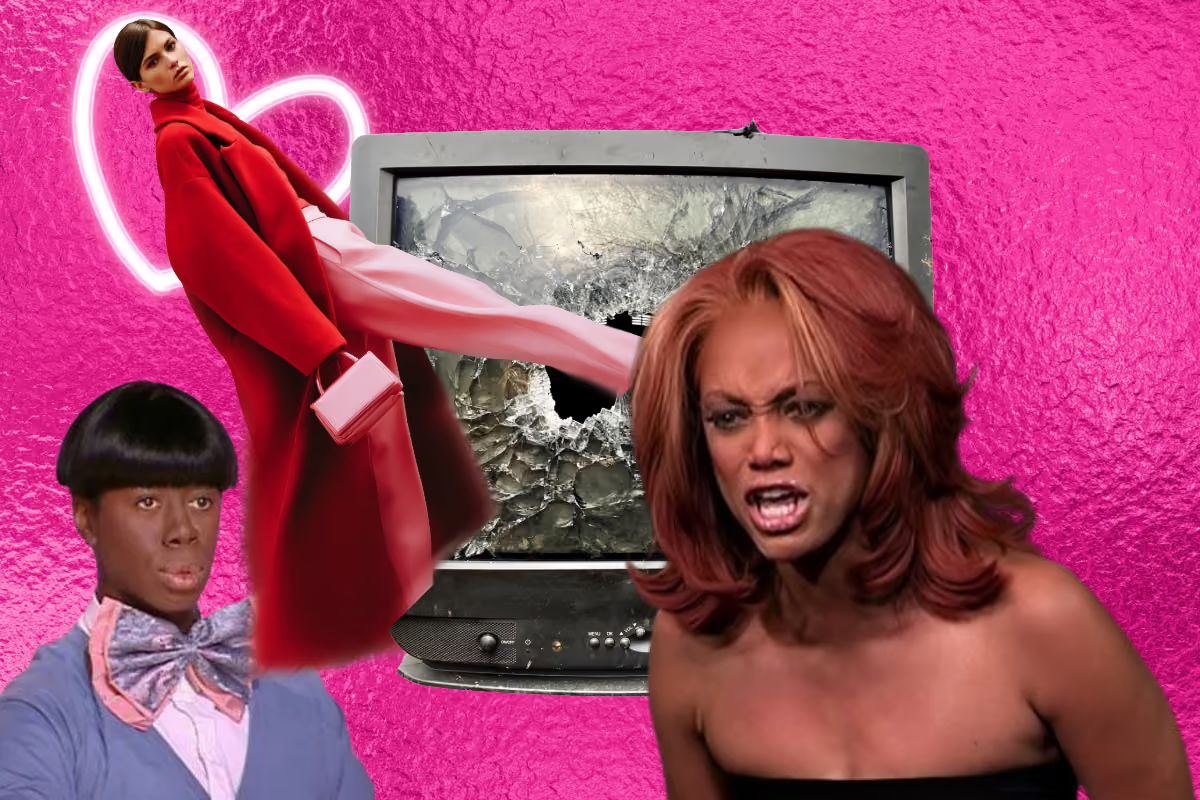
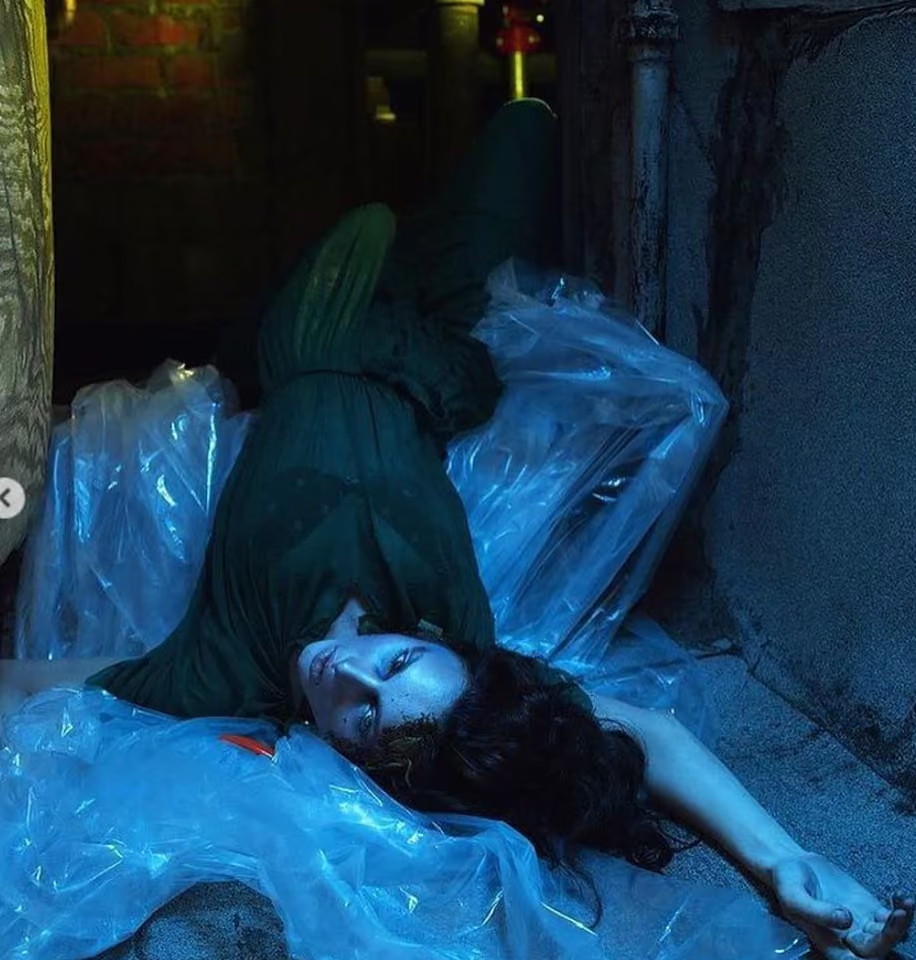
Yet one of the most disturbing episodes in America's Next Top Model's run asked contestants to pose as crime survivors for a fashion photoshoot. Phrases like "Look decapitated, dead and alive" were directed at models covered in fake blood and prosthetic makeup. The situation was made even more egregious by the fact that one of the contestants that season was a real-life survivor of gun violence.
Ignoring the Power of Reality TV to Shape Culture
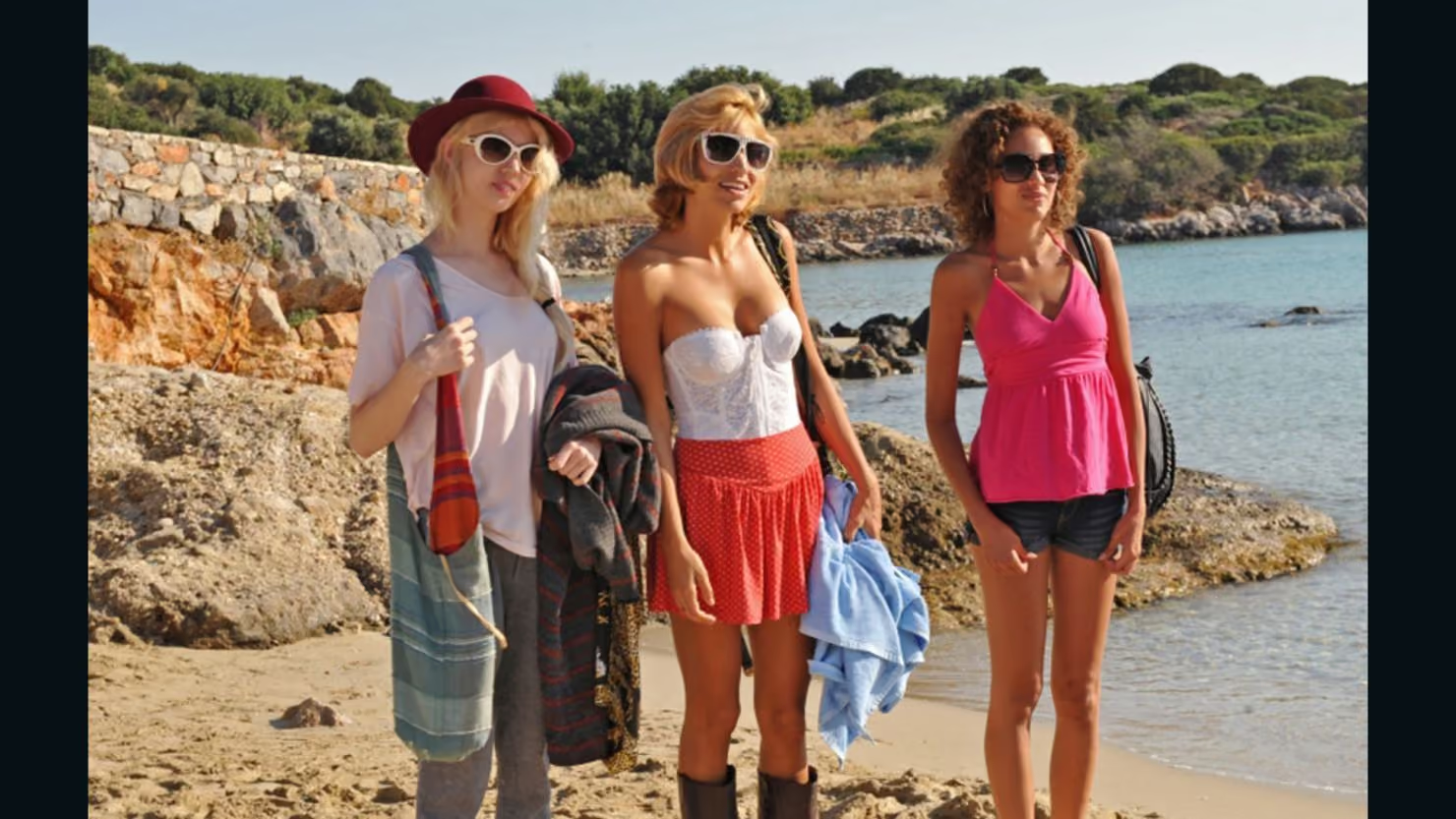
When we speak, we are accountable for our words. They can open doors or get us into trouble. Yet we rarely apply this same standard to the words spoken on television, even when those words reach hundreds of thousands of people, often repeatedly, and become part of everyday conversation.
Young viewers, in particular, are vulnerable to internalizing what they see on screen, struggling to distinguish what is real from what is fiction, what is healthy from what is harmful, and whether the treatment they witness is something they would need to accept in order to pursue their own dreams.
For 24 seasons, America's Next Top Model consistently conveyed that aspiring models must subject themselves to painful, degrading, and dehumanizing standards. That message was not incidental — it was built into the format, episode after episode.
Failing to Protect the Women
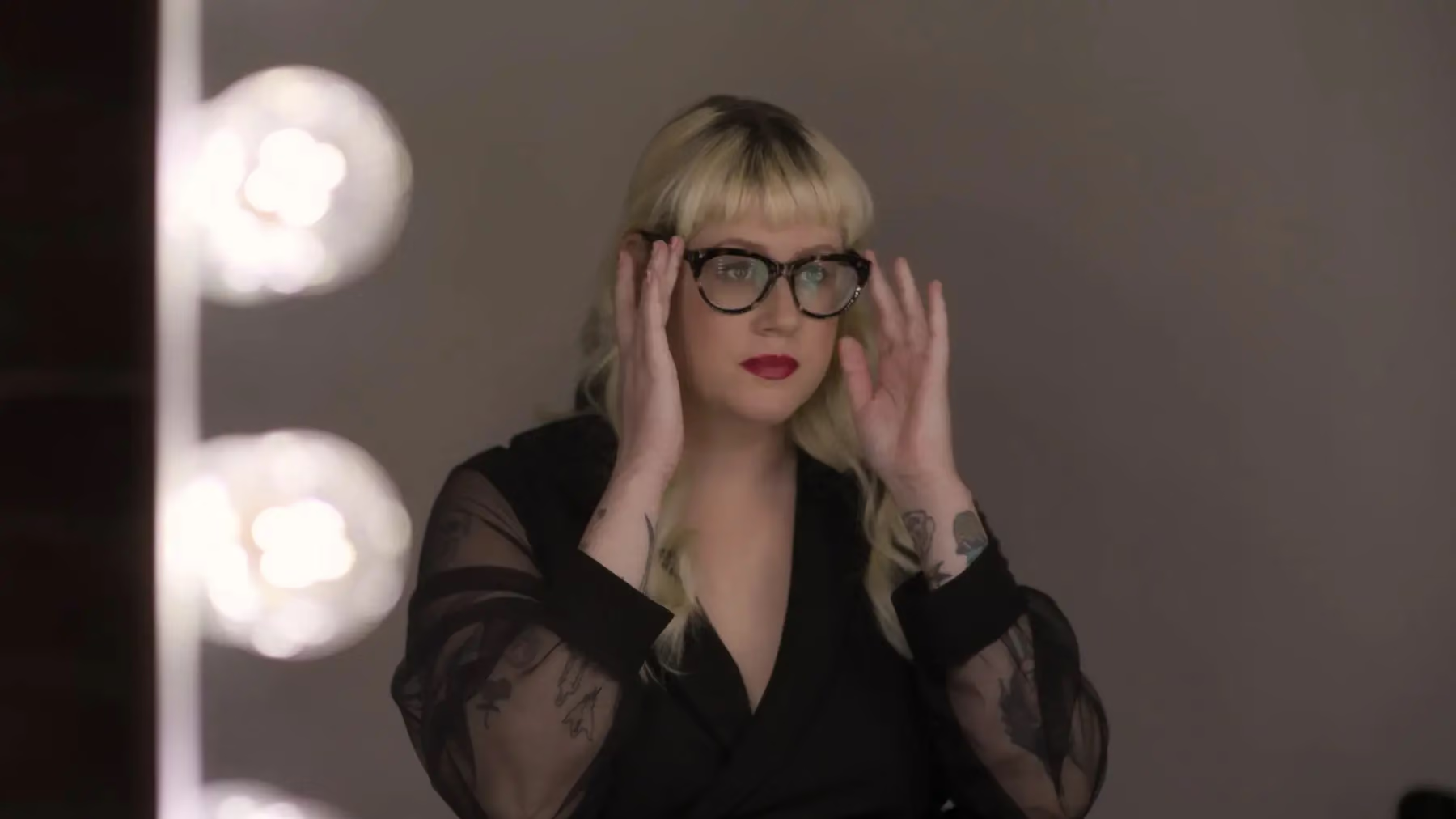
Tyra Banks launched the show with a compelling premise: to create a platform that would help women break into the fashion industry, an undeniably tough world made more navigable with support from other women. In practice, however, production not only failed to protect contestants — at times, it actively worked against them.
Shandi Sullivan, a contestant in Season 3, was sexually assaulted during the final episodes filmed in Milan. Production captured the incident on camera and edited it to appear as a case of infidelity, hiding behind the 24/7 recording agreement contestants had signed.
Keenyah Hill, a contestant in Season 4, verbally expressed discomfort during a photoshoot in which a male dancer was making sexually suggestive gestures and sounds toward her. She raised the issue both on set and before the judges. Her concerns were dismissed and minimized. She was told that a professional model does not halt an expensive production over distractions.
There is no shortage of evidence, testimonies, and witnesses confirming that harassment and assault are pervasive problems across industries. Yet these two incidents, both captured on camera, reveal a troubling pattern: women who speak up are condemned more swiftly than the people they are speaking up against. America's Next Top Model put this dynamic on display — in front of a global audience — more than once.
Does America Want Another Next Top Model?
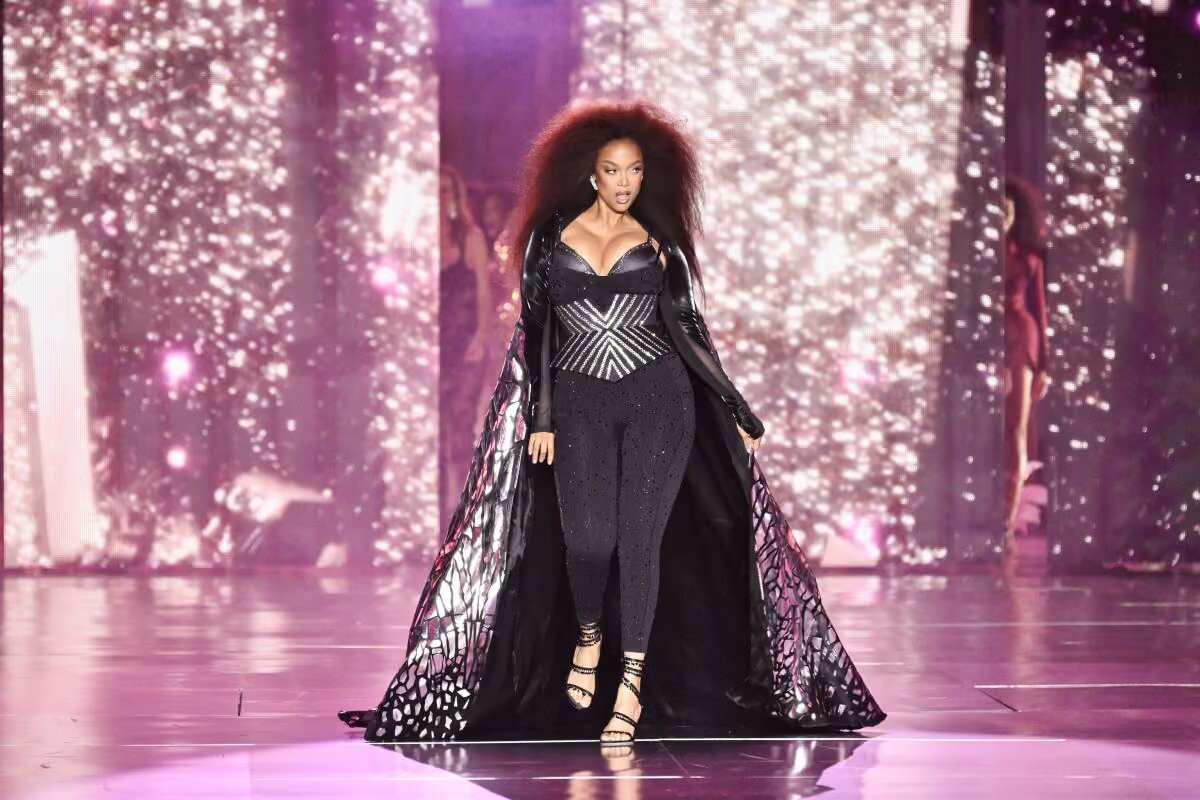
In the final episode of a recent docuseries revisiting the show's legacy, Tyra Banks hinted that people are "not ready" for what is coming in a potential Season 25. It felt like a test — a way of gauging whether the public has moved on enough to welcome the show back.
Other reality franchises have managed to evolve and endure. The Kardashians have sustained nearly two decades of relevance by pivoting from manufactured drama to business-driven storytelling. Project Runway dismantled the glamour myth of fashion by showing viewers the creative vulnerability, competitive pressure, and authentic self-expression that go into making clothes. It returned last year with a new season, visibly adapting to a changed media landscape.
Reality TV's playbook has become increasingly predictable: leading interviews, manufactured conflict, and dramatic editing designed to make minor moments feel Shakespearean. Even so, some shows find ways to stay relevant by listening to their audiences.
But if America's Next Top Model is serious about a comeback, the docuseries left several critical questions entirely unaddressed. What did the show do wrong? What would they do differently? And if they could do it all over again — knowing everything they know now — would they?
Until those questions are answered honestly, any new season risks repeating the same mistakes — just with better lighting.
.avif)