.png)
The biggest nights in the film industry bring millions of eyes to the celebrities who brought to life the most relevant characters of the past twelve months. We watch them walk the red carpet and interact with each other in a spectacle that the digital age and social media have allowed us to explore even further — through behind-the-scenes moments, livestreams, and instant updates of celebrity arrivals.
But in the bigger picture, every year there is a common thread tying together the themes and messages communicated by the clothes on the red carpet. These themes serve as an indicator, a spark that ignites a larger flame — trends we may see emerge in the months ahead. They are also expressions of feelings and emotions. Last year, a predominant wave of black dresses descended on LA red carpets in the aftermath of the devastating Palisades wildfires, reflecting an unavoidable sense of sadness, loss, and crisis. This year, the feeling was different. There was a kind of optimism — perhaps even a studied denial, an attempt to hide the problems under the rug. Is Netflix buying Warner Bros., or merging with Paramount? What does that mean for the future of the film industry, at a time when AI, foreign affairs, and censorship are threatening the very foundations on which Hollywood stands? For one night and one night only: let's not talk about it. Dress fabulously and go to the Oscars.
Without further ado, let's explore some of the defining themes of this year's award season and what they mean for fashion.
A 100-Year-Old Fashion House Is Reborn
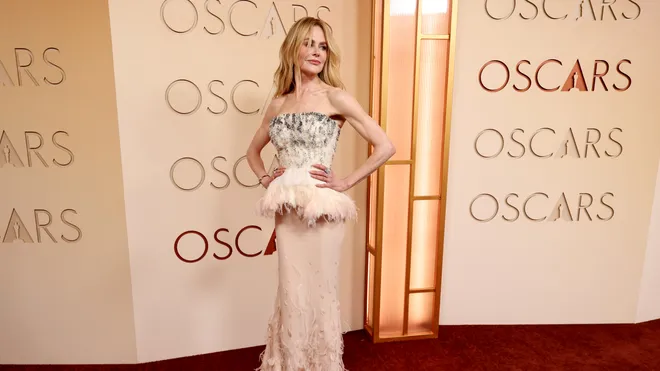
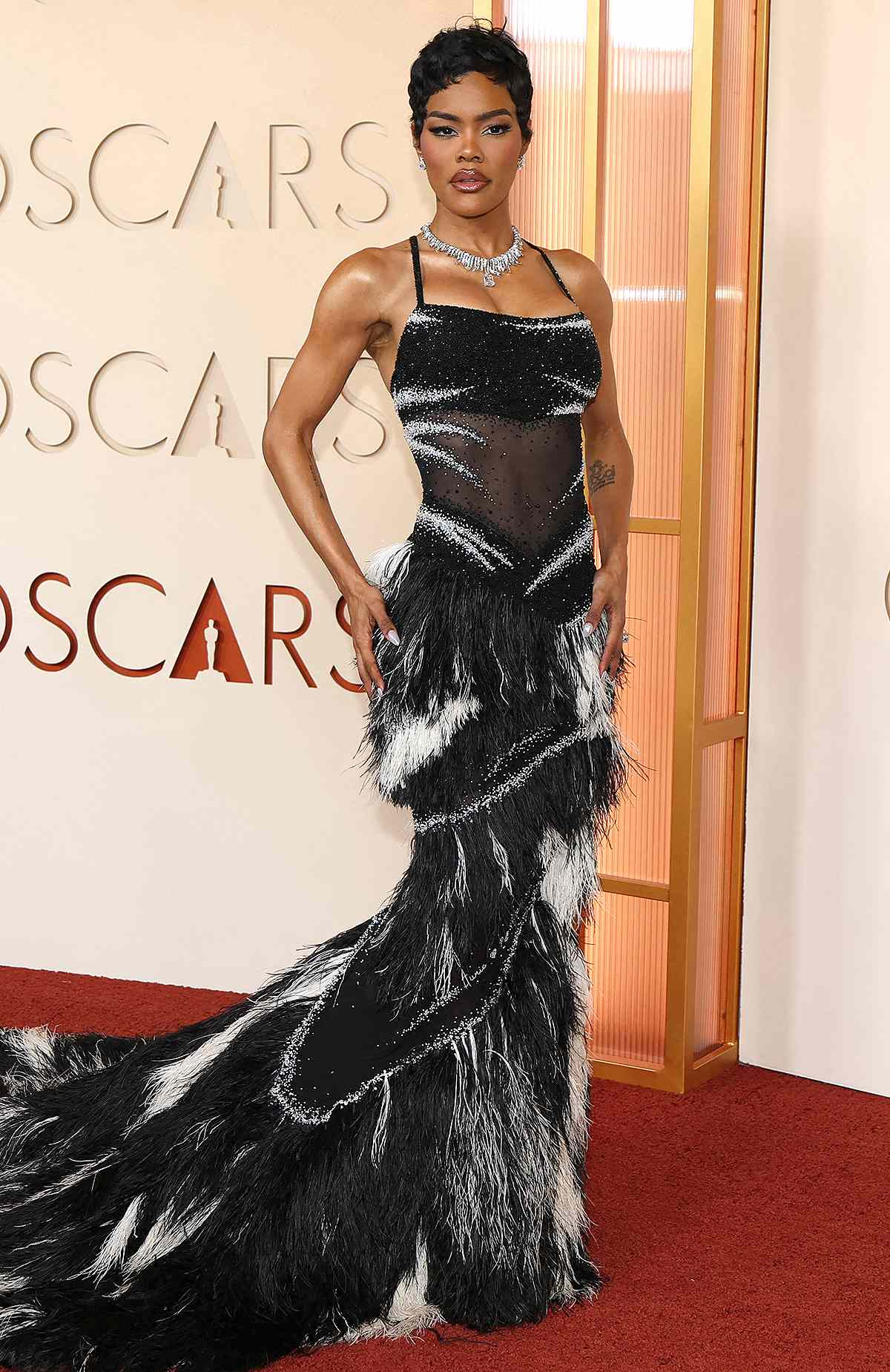
One of the most recognizable fashion brands in the world is Chanel. The French fashion house was founded by an orphan who spent her entire life concealing that fact. During World War II, she allegedly had an affair with a Nazi officer and was even registered as a Nazi agent (Agent F-7124). Karl Lagerfeld led the brand into the new century from 1983 to 2019, bringing playful twists, iconic interlocking logos, and ever-more-extravagant runway shows. But since Lagerfeld's death, the House of Chanel has struggled with its brand positioning. A series of missteps and PR crises allowed Balenciaga, Louis Vuitton, Dior, and Gucci to pull ahead. This year, however, we witnessed a rebirth.
Matthieu Blazy took over as creative director of Chanel in early 2026, arriving from Bottega Veneta. His debut collection was widely praised for its rich textures, blending the classic and the contemporary. He managed to honor the house's heritage while making it feel visually compelling for women of all ages in a technology-saturated world. At the Oscars, Chanel was worn by Teyana Taylor, Nicole Kidman, Pedro Pascal, Maya Rudolph, and Gracie Abrams — a sweeping range of personalities that perfectly illustrates the new direction the house is heading.
A New Era for Menswear
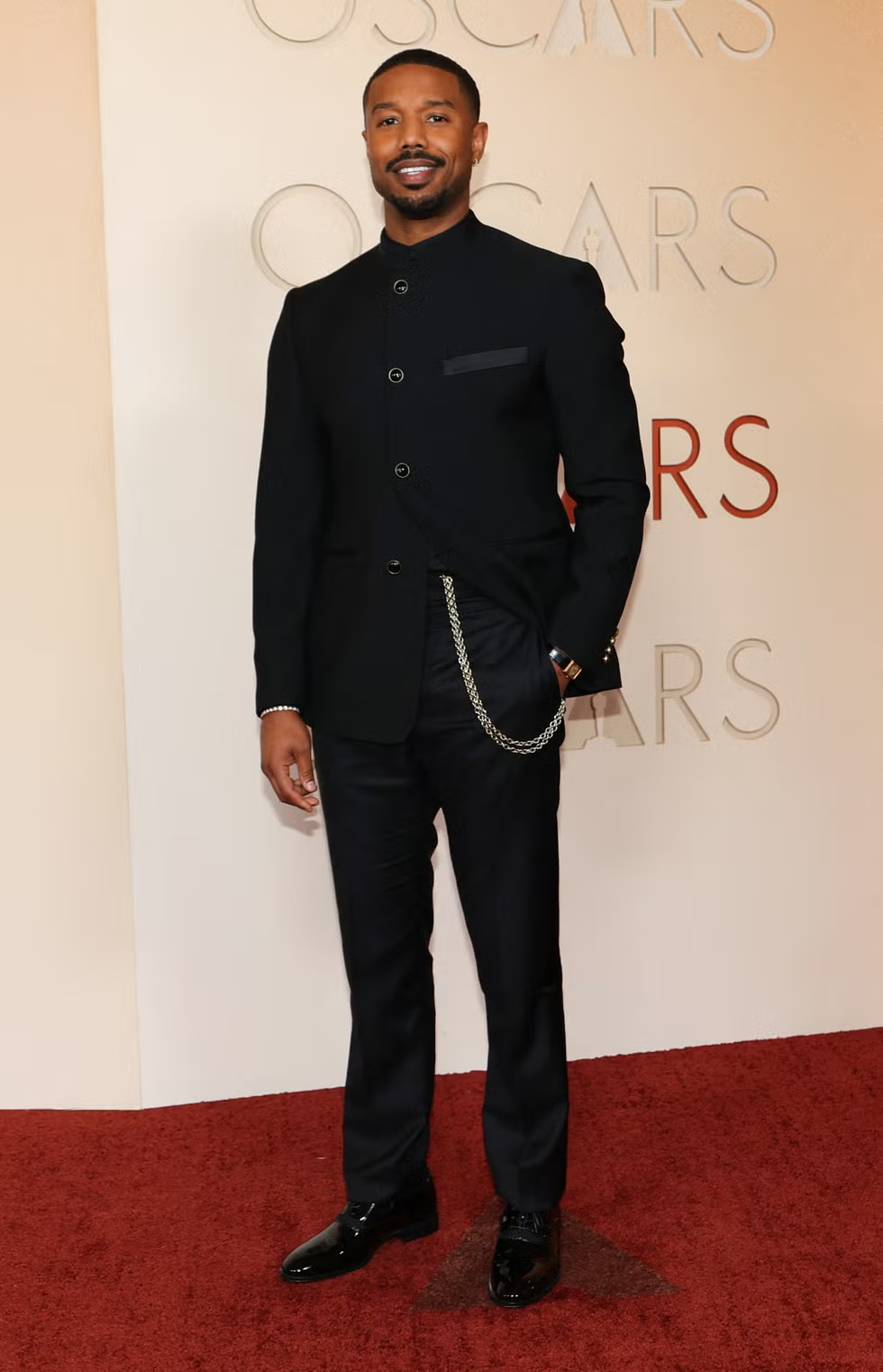
After several years of men pushing the envelope on the Oscar red carpet — from Billy Porter's iconic Christian Siriano tuxedo gown to a then-emerging Timothée Chalamet in a striking Louis Vuitton women's jacket — there now seems to be a broad consensus: tuxedos don't have to be boring. Guests of all ages were encouraged, even emboldened, to take risks. Among those who made the best-dressed lists was newly minted Oscar winner Michael B. Jordan, who arrived in a sharply tailored Louis Vuitton suit accented with a double chain detail at the pocket.
The Bloom of the Brooch

Male politicians typically wear lapel pins to signal their values — an American flag, or a cause-specific emblem to draw attention to an issue. In Hollywood, the comeback of the brooch — an accessory with a history spanning thousands of years — arrives at a moment of desperate need for self-expression. Amid ongoing efforts to make fashion more inclusive, the Oscar dress code still requires men to wear tuxedos. Those tuxedos allow for creativity in fabric, color, and silhouette, but the brooch adds an additional layer: personality, sparkle, elegance, or joy — whatever the wearer wants to communicate. This is perhaps the most accessible trickle-down trend of the season, one we could easily see knocked off by H&M within months, with affordable brooches hitting the market just in time for prom this May.
Rich Textures
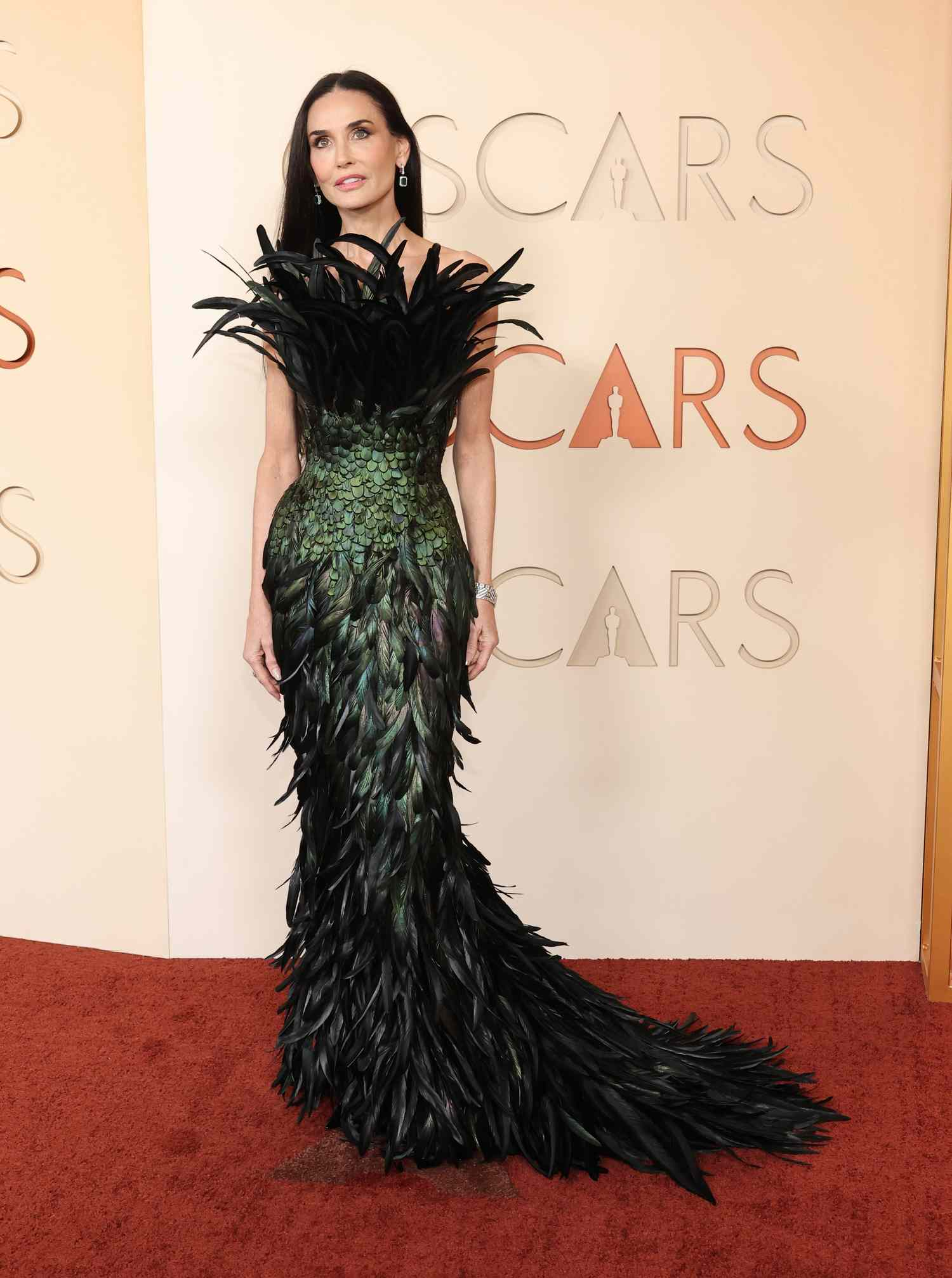
At the Vanity Fair After Party, several guests wore looks that were strikingly rich in texture. Demi Moore's Balenciaga ensemble featured leather gloves and a dramatic feathered train. Wunmi Mosaku wore a lavender Louis Vuitton dress, beautifully embellished and tailored around her pregnant belly, finished with an organza cape. Pink Panthere also turned heads in a black dress with a playful, unexpected take on feathers.
This year, the conversation is not only about how fashion looks — it's about how fashion moves and feels. At a time when Condé Nast is covering red carpets not just with still photography but with reels and videos of celebrities posing and arriving, there is an ever-growing demand for engaging, multi-sensory stimuli. How do you take fashion one step further? How do you make people gasp at a red carpet look that is fashionable but stops short of a 20-foot Met Gala cape? These trends are harder to translate for mass consumption, but they can absolutely serve as inspiration for younger consumers — especially the content creators who upcycle, DIY, and curate secondhand and consignment finds for a wider audience.
Meaningful Clothes With No Label
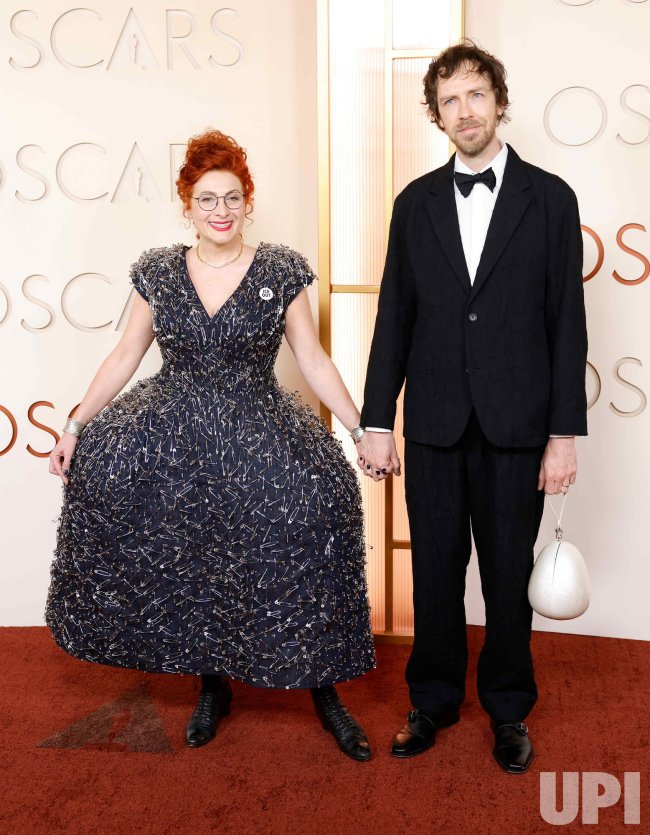
When you are an Oscar nominee, all it takes is a good publicist to get a high-fashion gown — often for free or at a very reasonable cost. But why ask someone else to dress you when you can dress yourself? That was the thinking behind Oscar-nominated costume designer Małgosia Turzańska's choice: she created her own dress, covered entirely in safety pins she applied by hand. Her intent was to bring visibility to the painstaking work costume designers do for the films that fill these very ceremonies. She also wore a pin reading "ICE OUT." When asked about it, she simply said: "I don't think I need to explain myself. It's very clear."
Another memorable accessory came from Javier Bardem, who wore a pin he had first put on 23 years ago in 2003 — one that read "No to Wars." The actor has long been outspoken about the causes he believes in, and his accessories have consistently managed to generate media attention and spark meaningful conversation.
Overconfidence Is Not a Friend
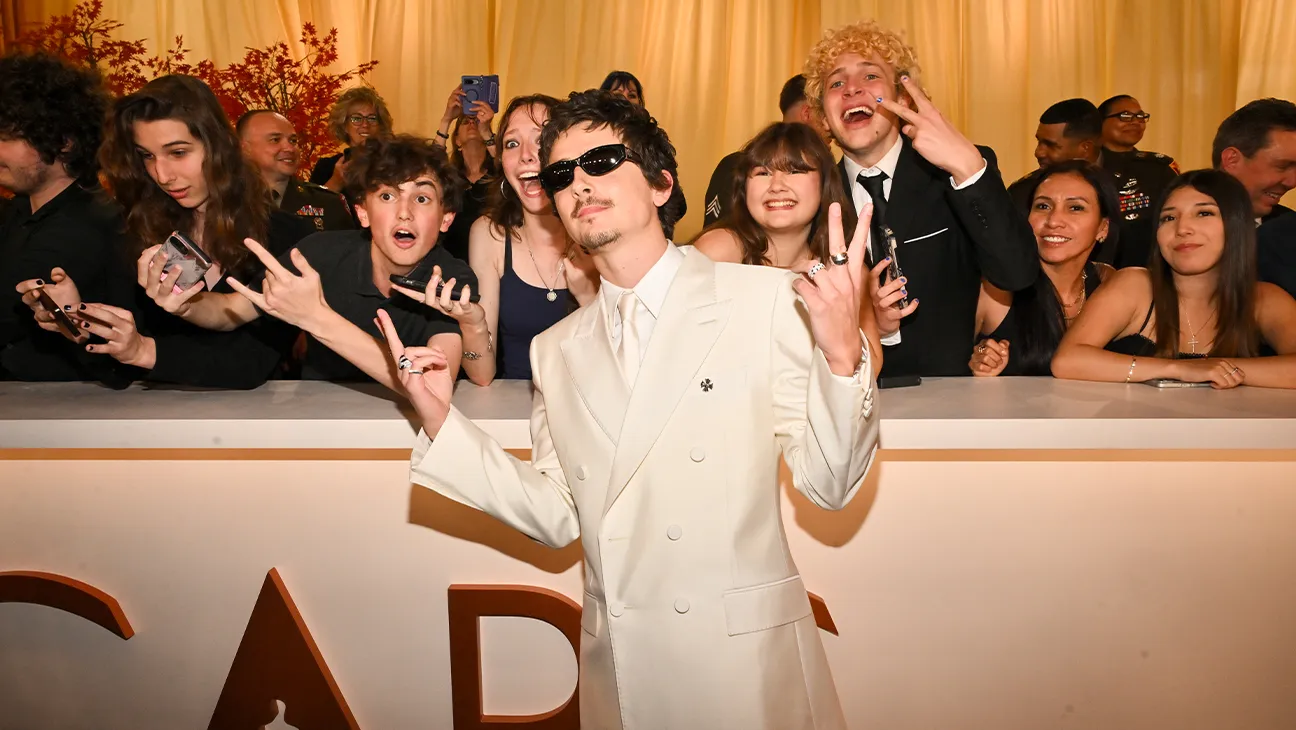
No one is exempt from failure — not even those who have received the best reviews or been crowned as successes by their industry. We saw overconfidence work against Timothée Chalamet ever since he publicly stated in a late 2025 interview that by mid-2026 he would be an Oscar-winning actor. (Spoiler alert: it didn't happen.) The saturation of his press exposure, combined with comments that came across as dismissive of ballet and opera, ultimately worked against his odds of winning. His fashion has shifted into an intentionally careless, and often sloppy, styling that is not resonating the way he seems to have intended.
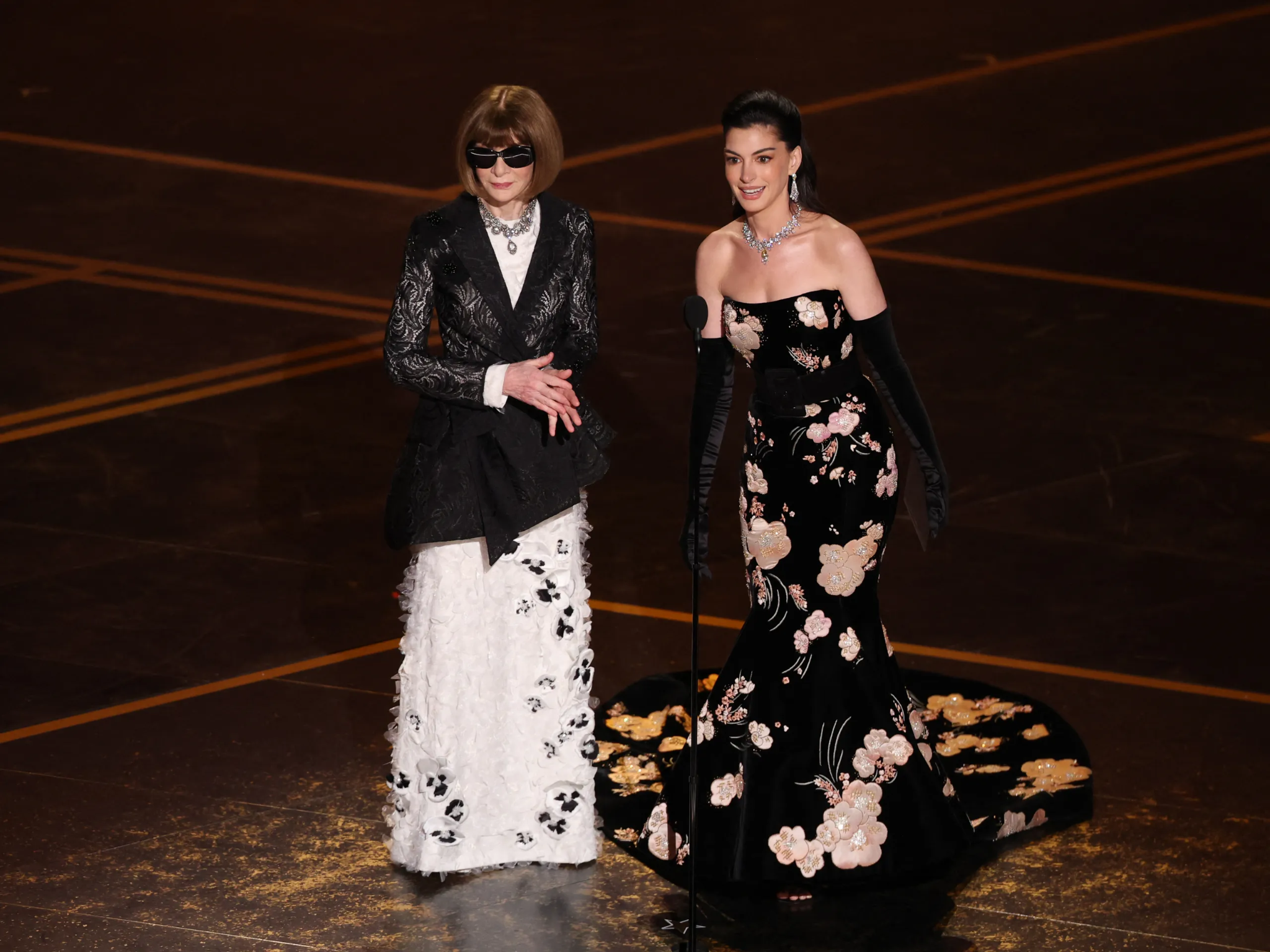
What award season ultimately reminds us, year after year, is that fashion is never just fashion. It is a mirror held up to the cultural moment; reflecting our anxieties, our aspirations, and our appetite for reinvention. This season, we saw a fashion house rediscover its soul. We saw men embrace ornamentation without apology. We saw texture and movement push red carpet dressing into new sensory territory. And we saw individuals use a pin, a handmade gown, or a quietly radical accessory to say what words sometimes cannot.
The red carpet may be a spectacle, but it is also a conversation — one that reaches millions of viewers across every corner of the world, including an entire generation of young people who are watching, screenshotting, and deciding what they want to say about themselves through the clothes they wear. In that sense, what happens in Hollywood does not stay in Hollywood. It trickles down into fast fashion aisles, thrift store hauls, and prom night decisions. It shapes the visual language of a generation.
So as the curtain falls on another award season, the question is not just who wore what but what were they trying to tell us with their clothes? This year, the answer seemed to be: we are still here, we still care, and we are not done dressing up just yet.
.jpeg)