
.avif)
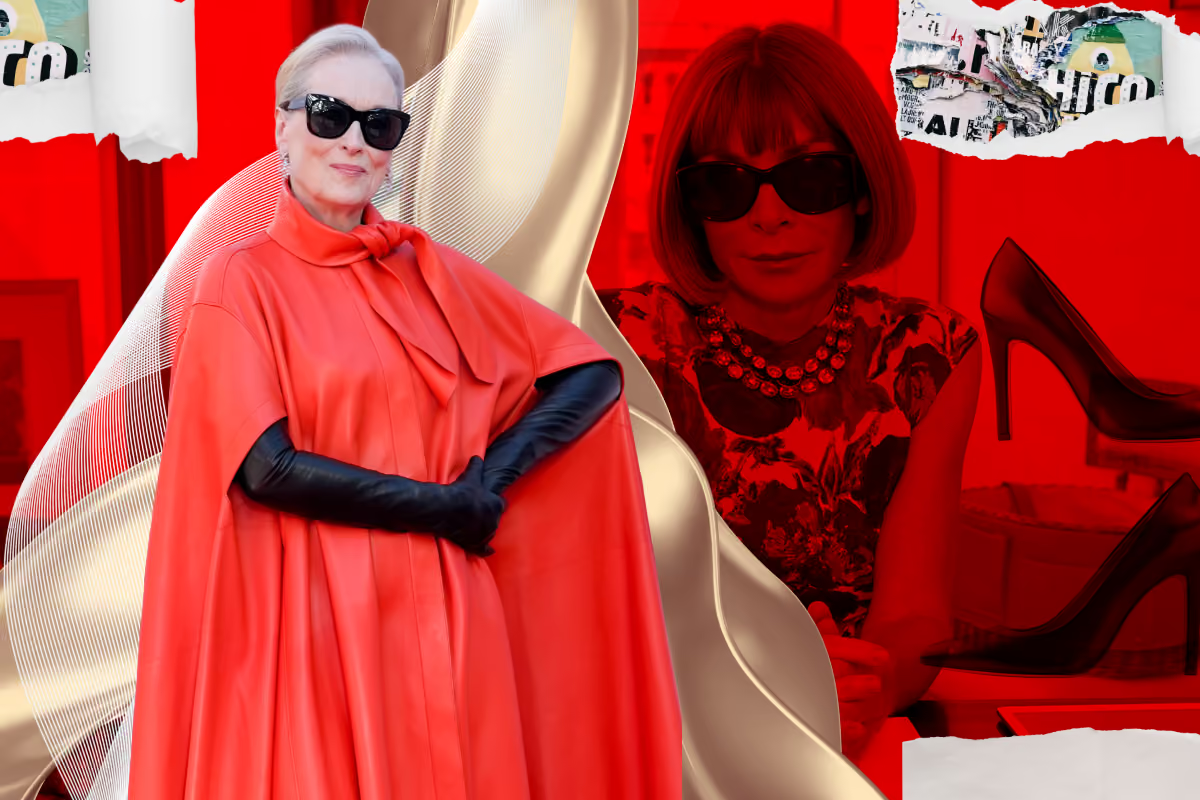
The Devil Wears Prada has not just influenced the way we speak about and understand fashion; over two decades after the first book came out, it continues to be a relevant subject across fashion circles, pop culture, social media feeds, and dinner table conversations alike.
It's not a romantic comedy. It has dramatic moments, but it's not a thriller either. It hints at the idea of wanting to murder someone, but it’s not a crime fictional story per se. So what is it about this story that has influenced more than one generation, and, in the course of 23 years, evolved from a book to a movie, a musical, endless memes, and now a highly anticipated sequel?
Taking down the fourth wall
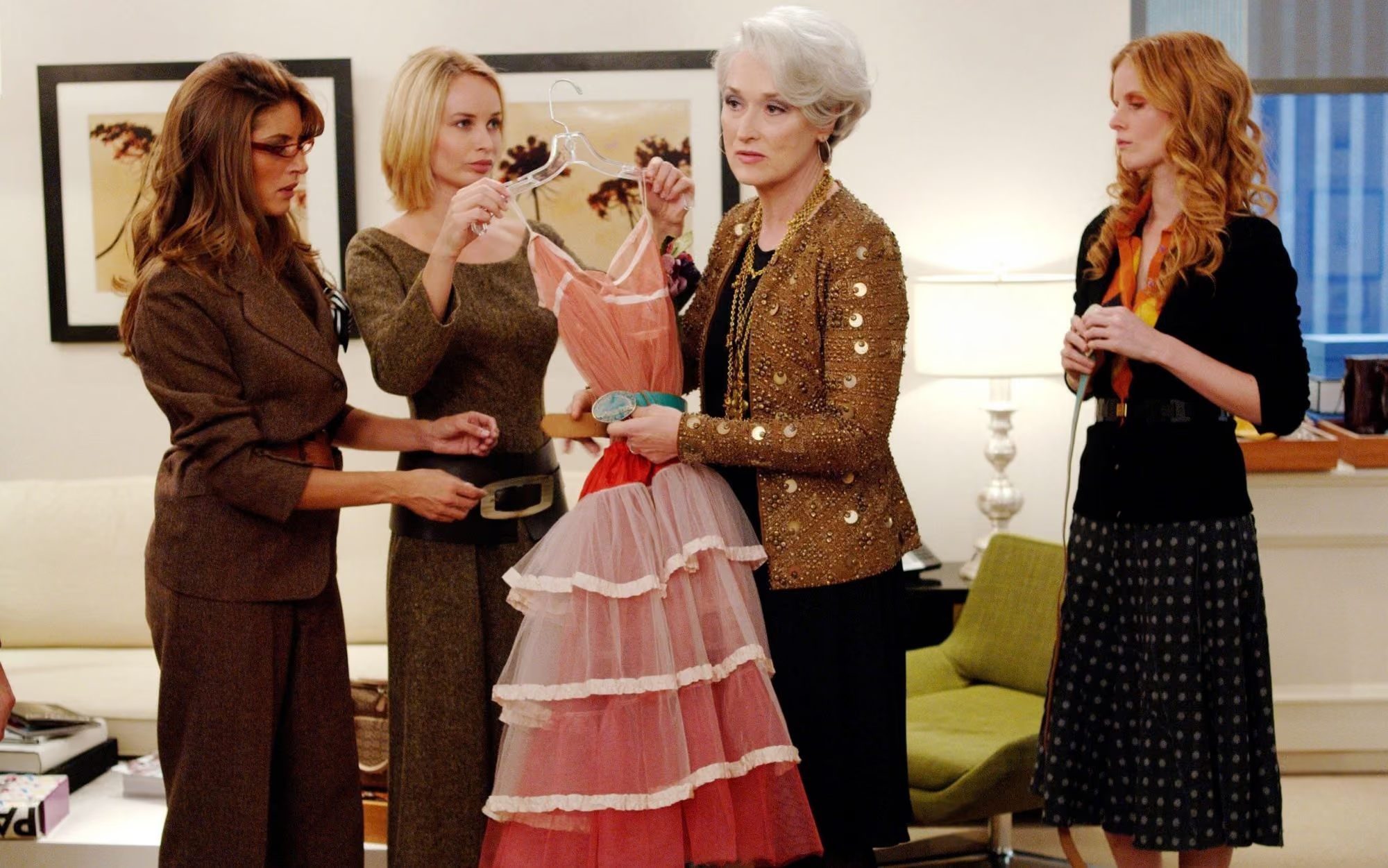
It was perhaps one of the first times the world was invited inside the fashion industry. An industry long considered mysterious and often misunderstood, The Devil Wears Prada offered a rare look at how an industry generates billions of dollars annually through the work of editors, reporters, stylists, designers, models, pattern makers, artists, photographers, and everyone in between. In many ways, it made people hungry for more. Not coincidentally, Project Runway, the reality show about aspiring designers showing the not-so-glamurous side of fashion, premiered to high ratings just a year after the book's release. Documentaries soon followed, including an inside look at Vogue's September issue and the curation of the Met Costume exhibit China, through the Looking Glass. The Devil Wears Prada sparked a curiosity in global audiences that pushed demand for long-form content about the fashion industry: How do people at Runway dress? What are their ambitions? Why is this world so fast-paced, and what is actually happening behind those closed doors?
In the book, Andy Sachs admits she didn't even know Runway featured writing — she assumed it was all glossy pages and fashion editorials. In reality, the fashion magazines on our newsstands today are built on the work of journalists, editors, writers, and reporters, many of whom are more focused on wellness, travel, politics, or economics than on the business of fashion itself.
A fashion education
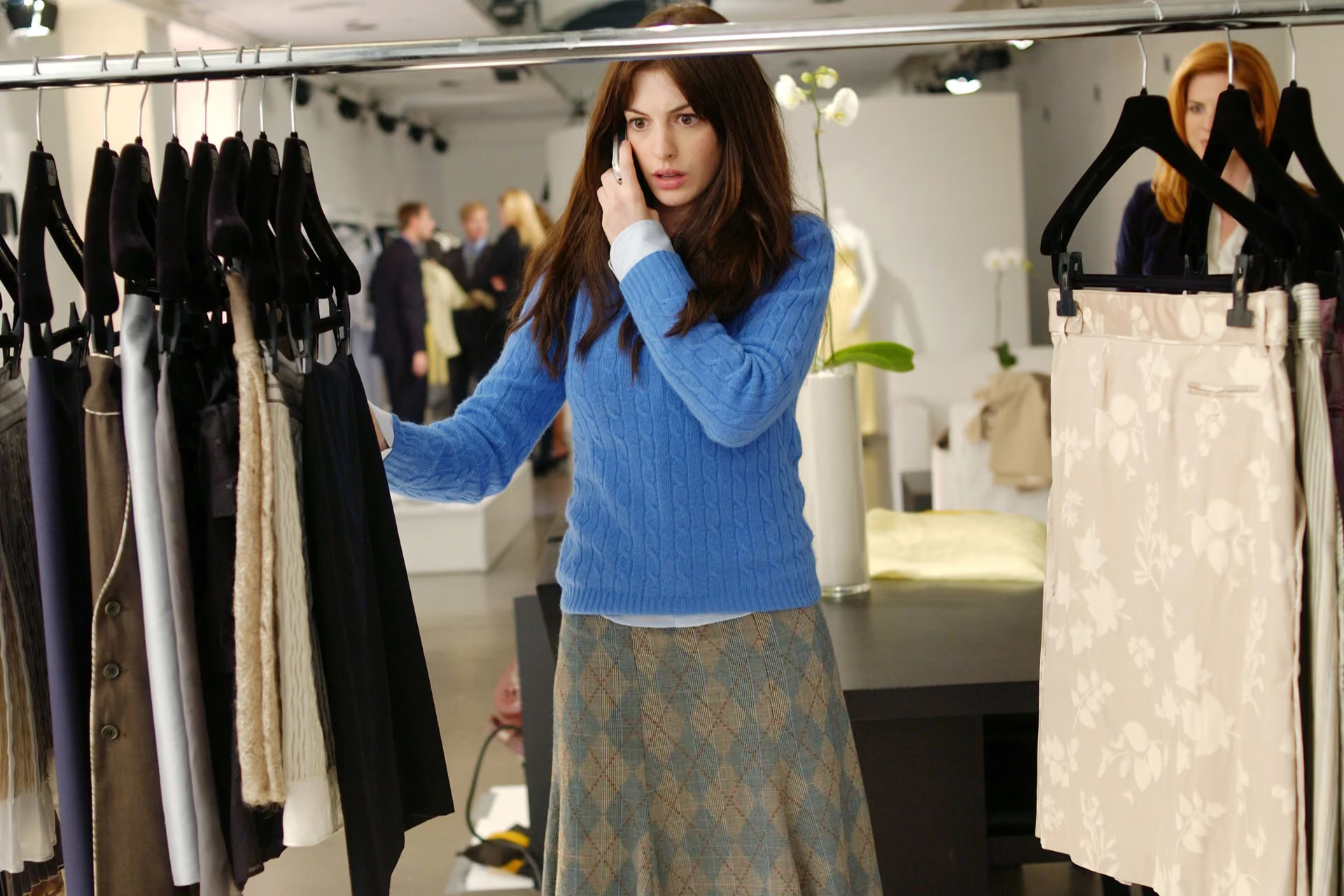
That sweater is not just blue. It's not turquoise. It's not lapis. It's actually cerulean.
The cerulean monologue remains one of popular culture's most quoted fashion lessons. It is not a stretch to say that The Devil Wears Prada was a watershed moment in the public's understanding of the fashion world. There is a before and an after. Misconceptions abounded before the book arrived, and while it introduced new assumptions of its own about competitiveness, the pace of the industry, and fashion literacy it also made clear the scale of work being produced behind closed doors, and the global impact it carries.
Long-lasting pop culture impact
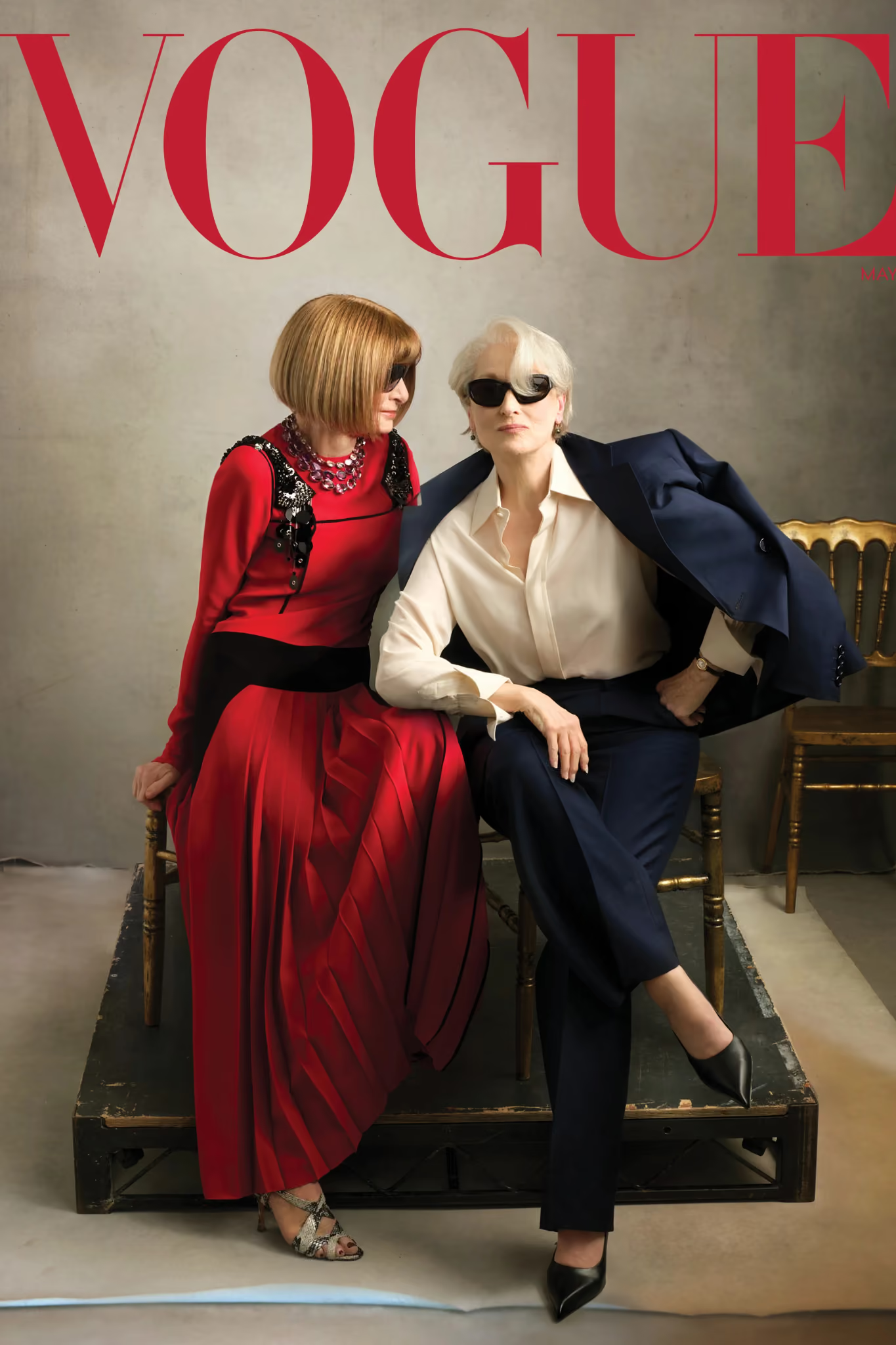
When the book came out in 2003, Anna Wintour and several Vogue staff members were quick to deny any connection to its world. "I swear I don't even remember who that girl is," Wintour allegedly said of the bestselling author. André Leon Talley, creative director at large at Vogue, acknowledged some elements rang true — the Harry Potter manuscript incident, the dry-cleaning runs — but pushed back on others, and hinted that the real fashion world is even rougher than what the movie portrays.
For the sequel premiere, the promos and marketing are proportional to the long-lasting pop culture impact of the book and the movie. Vogue’s embracement of The Devil Wears Prada featuring Anna Wintour and Meryl Streep is a cover for the books, but there’s also the Runway pop-up shops where fans can experience reading a Runway magazine. Advertisements from Diet Coke, L’Oreal Paris and Grey Goose have helped boost the highly anticipated sequel, quoting memorable phrases from the first movie and bringing celebrities that make the fans excited.
Furthermore, the sequel is going all out in its casting and its soundtrack. Lady Gaga and Doechii released the original song Runway that will be featured in the film and it’s to be confirmed that a highly anticipated duet between Lady Gaga and Madonna will be part of the soundtrack as well. Lucy Liu, Justin Thereoux and Simone Ashley will be part of the cast as well.
Empowering forces
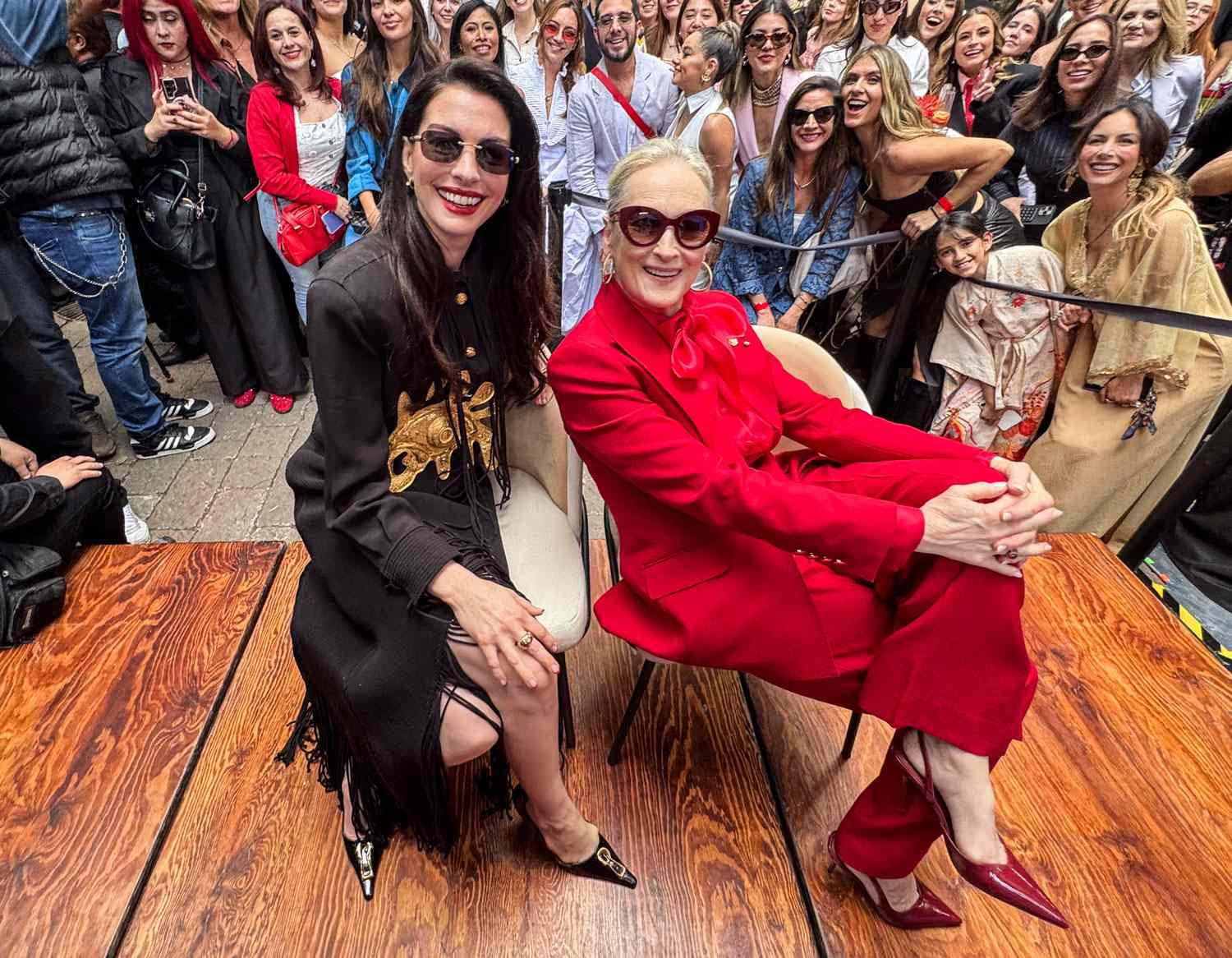
"I don't like saying female empowerment. It feels diminishing. Let's just talk about the power of people." — Meryl Streep, promoting The Devil Wears Prada 2.
The legacy of Miranda Priestly as a leader and role model is substantial. Her image has landed on Pinterest boards, vision boards, and memes around the world. It was, and remains, inspiring to see a leader of her caliber make quick, decisive, and uncompromising choices.
In parallel, Anna Wintour has long been described as "cold as ice" by observers. Former and current Vogue staffers have confirmed she keeps her sunglasses on during office interviews. But others on her team have noted firmly that she would never be framed that way if she were a man.
The fashion industry — a multi-billion dollar business in which women represent more than 55% of the consumer base — remains largely male at the top. Chanel, Dior, Versace, Valentino, and Gucci are all led by men. The glass ceiling is still very much intact, and the stigma surrounding women in positions of creative power has not disappeared.
Miranda Priestly embodies the path Anna Wintour has forged: an unapologetic leader with the experience and knowledge to back every decision she makes. Intimidating, yes — but also aspirational.
The Devil Wears Prada is also, at its core, a story about women in the workplace. Andrea has ambitions. Emily has ambitions. Miranda has ambitions. And yet the person who seems least able to support those ambitions is Andrea's boyfriend — uncomfortable each time she comes home late, unsettled by how deeply she has embraced her role at Runway. These dynamics are common enough to be recognizable, and that recognition is a large part of why this story has become a classic.
Woven together, the public's curiosity about a glamorous and mysterious industry, and the universal experience of women navigating professional ambition — The Devil Wears Prada continues to be a trending topic that different generations return to, each finding something new. The work they are making influences everything you are wearing. It was carefully selected... from a pile of stuff.
.avif)