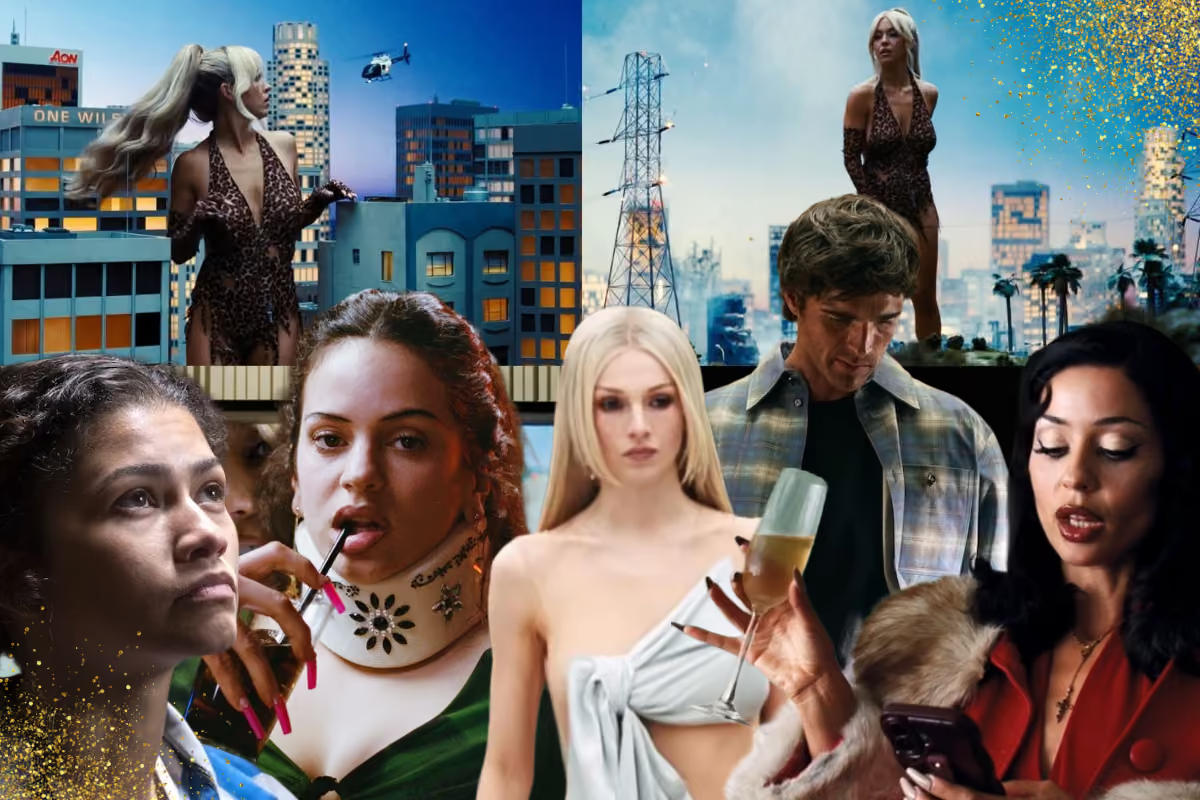
Season after season, Euphoria has served as a social commentary that brings to the table important conversations about where we are in society. It feels so wrong but it’s right because it serves as a mirror to see some of the struggles and issues that as a society we decide to overlook: The way addictions tear families apart, the very common cases of domestic violence in young generations, the lack of job opportunities for Gen-Z, and the rise of hate speech.
So as the expectations and the wait of this third season was high, critical reception has been mixed for the new season. With episodes averaging a 43% rating, there are topics, plots and choices in the editing, music and cast that are not making the mark for people. But even then, the show continues to have very high ratings and sit at the center of conversations on Sunday nights and the mornings after. There is something about the show that has woven so tightly into pop culture that continues to bring people together in online conversations and have discussions about how much they liked or didn’t like each episode. For the producers of HBO, the negative and positive comments equally translate to income as they are all coming from a place of people watching the show and engaging with it.
But what is it about Euphoria that is so wrong that it ends up doing it right? Let’s talk about it
A generous investment
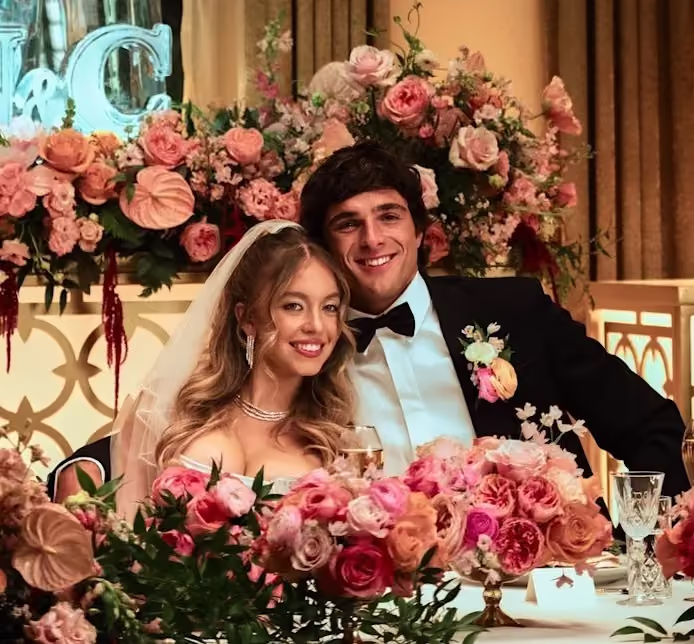
Reportedly, the third season of Euphoria has a very generous budget totalling $200 million for the entire season, with roughly 25 million per episode. The budget allows for ostentatious sceneries that become almost absurd but still interesting to watch. There is the highly produced scene on the first episode of season three of Rue driving on top of the fence of the Southern border, getting stuck and leaving her car behind. There’s also the important discussion about the 50 thousand dollar arrangement in Nate and Cassie’s wedding that lets you see how 50 thousand dollars in floral arrangements look like in a wedding. There are also the toe and finger that Nate loses that were carefully replicated with a prosthesis, which makes the scenes shocking and explicitly visual.
These thoughtful investments in the production that become part of the plot while surreal at times allow for the audience to be engaged and feed the culture of memes and instant digital conversations.
In terms of monetization, it almost doesn’t matter if people’s reactions are positive or negative as long as people are still talking about it and so the sensationalism of these scenes that bring absurdity, visual richness, and extravagant scenography like Cass-Zilla, allow Euphoria to continue to be part of the conversation.
And then of course, there’s fashion as a subject matter. Fashion in the first two seasons of Euphoria mixed with makeup, lighting and music became a staple inspiration for several Pinterest boards in years afterward. The creators of HBO understand the role that fashion plays in bringing an individual identity to each of these characters. In this particular season, the plot is set years after high school. Characters may be older but not wiser. Trends have changed and their life situation has changed. So how does fashion uplift the core message of each character through the third season of Euphoria for better or worse?
It’s not that the styling and the clothing selection is always point and cohesive with the storyline of each character. It is simply intentional — scandalous and designed to be seen. There is an argument to be made about how each of the characters is craving attention in their own way and they are using fashion as a mechanism to achieve this goal.
Maddie
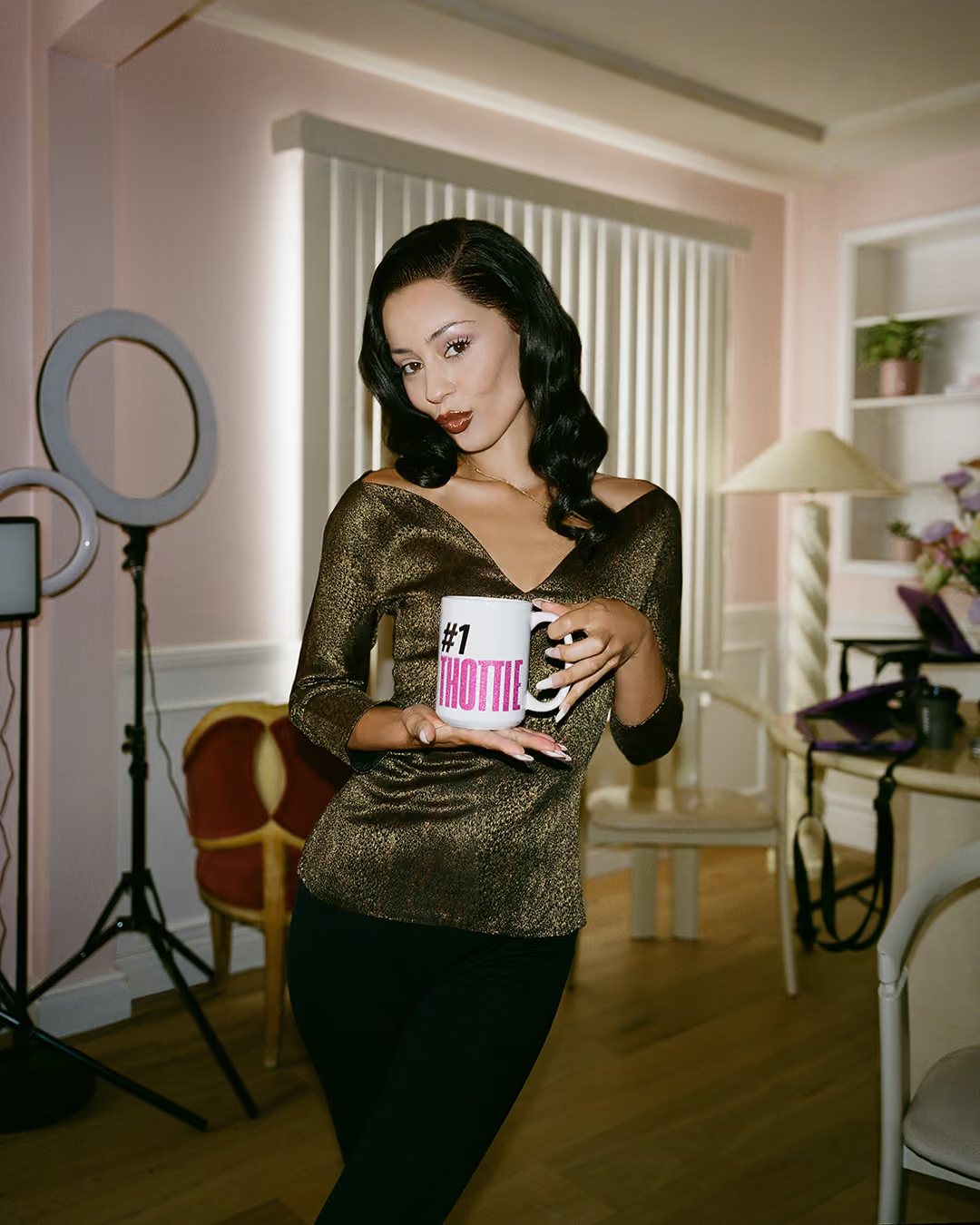
For Maddie, this means showing up to an unprompted interview at a coffee shop with vintage Alexander McQueen pants tailor fitted to her body, or bringing a low back and low front halter green dress with fur to Cassie and Nate’s wedding to bring attention to herself and show up with the confidence that she wanted to feel on that day. Maddie’s clothes are the mere illustration of the famous phrase “fake it till you make it” since her aspirational persona and relentless self-reinvention allows her to have new clients and build confidence on herself that simultaneously earn the trust of potential clients.
Nate
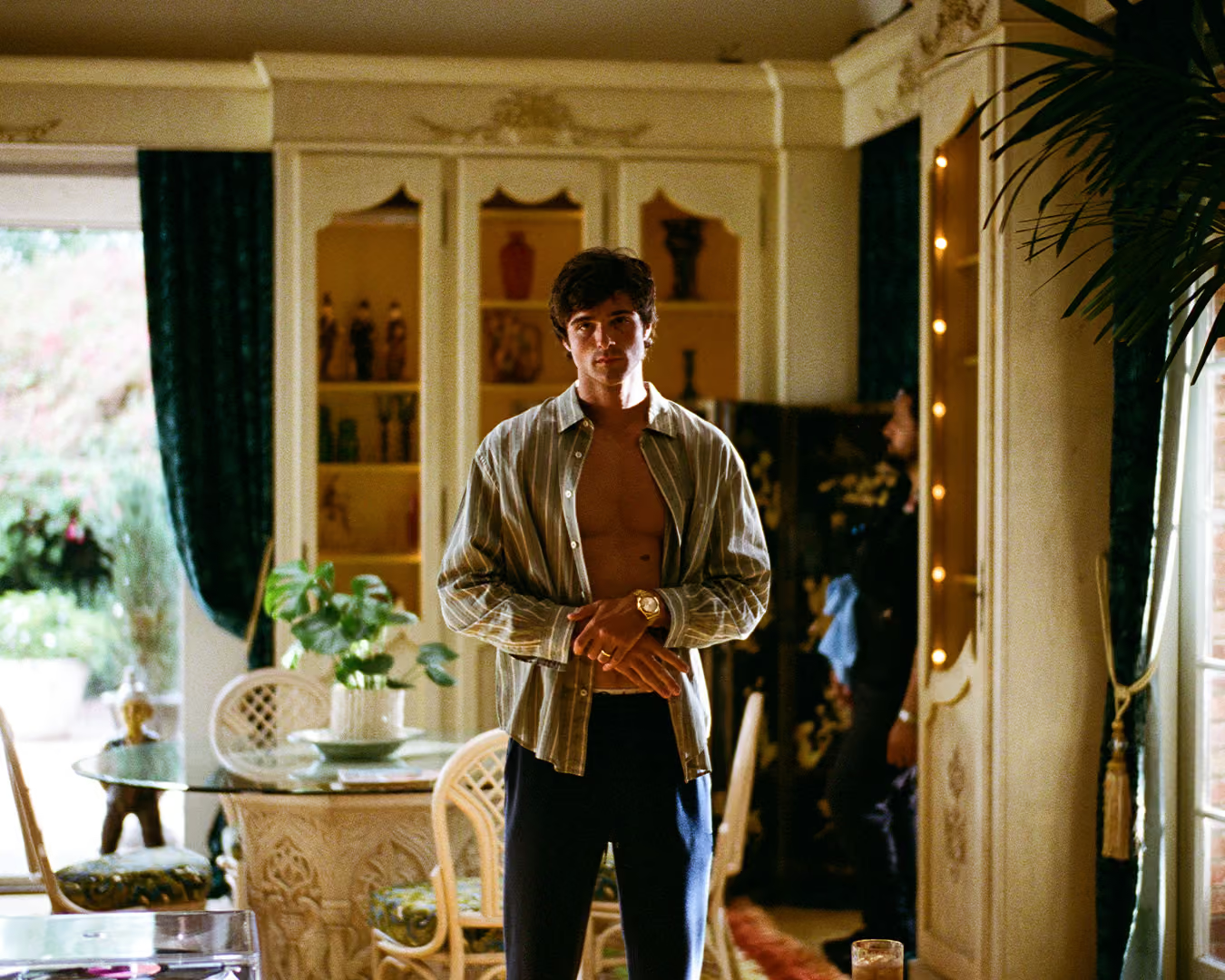
Image Courtesy of HBO
For Nate, his luxury fashion choices dance somewhere in the middle between luxury fashion and new rich. He uses high fashion clothing, particularly Bottega Veneta accessories, Italian leather men bags retail between $1500 and $4000. He drives a Cybertruck and wears a Rolex. It is an irony that serves almost as a tragic social commentary to see his character dressed in high fashion while being chased in violent attacks by businesspeople who Nate owes money to.
Jules
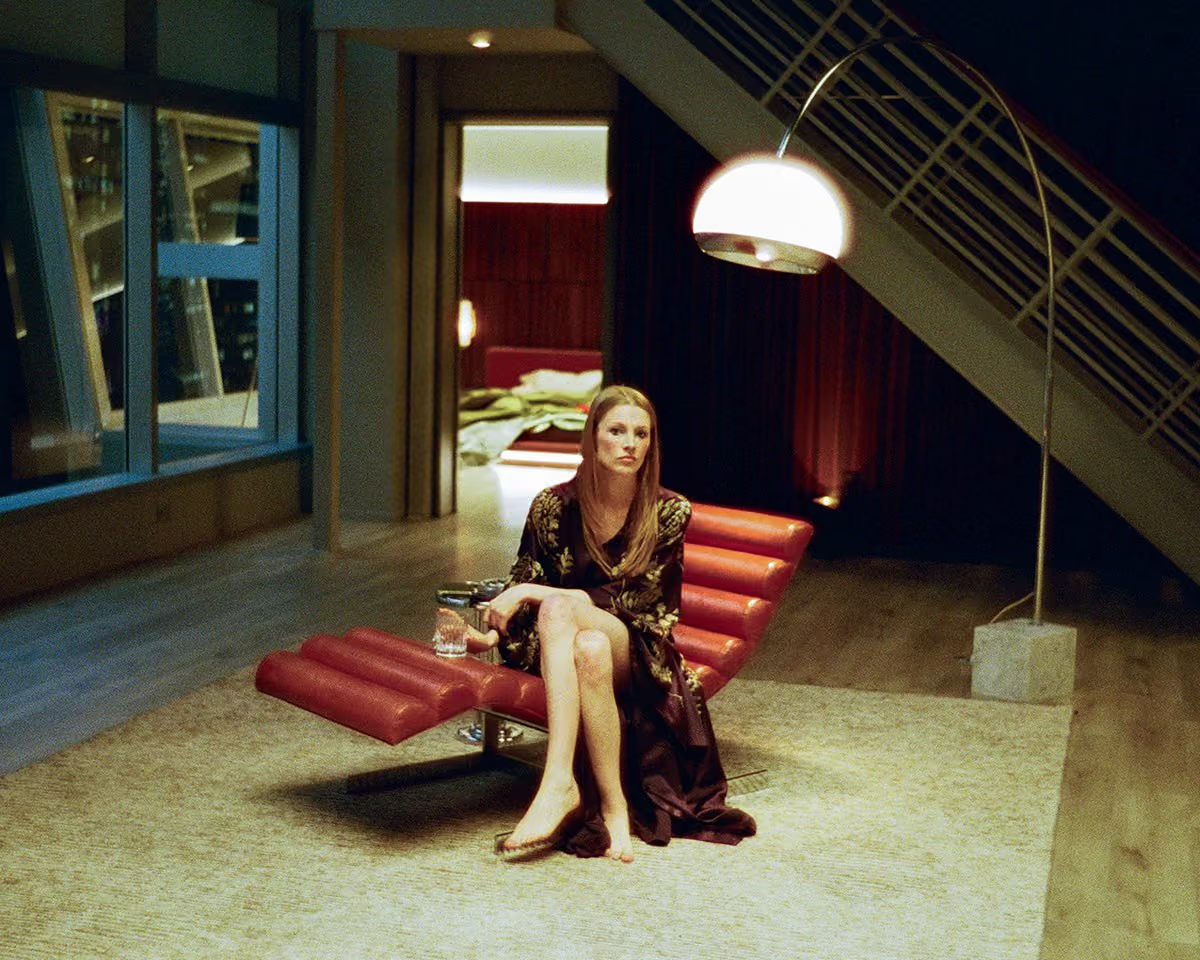
For Jules, living in a luxurious apartment in Los Angeles sponsored by a plastic surgeon, her fashion tells the fairy tale she wants to live in. We see Jules wearing a revealing gown by Acne studios for Cassie’s wedding. We also see her wearing some luxury vintage fashion on her dates, such as a vintage Thierry Mugler black dress with cutouts. The gowns that Jules shows are sexy and glamorous, projecting the adult she wants to be while at the same time she struggles to make sense of the reality she is living in —dating a married man who is sponsoring her apartment and her painting career.
Cassie
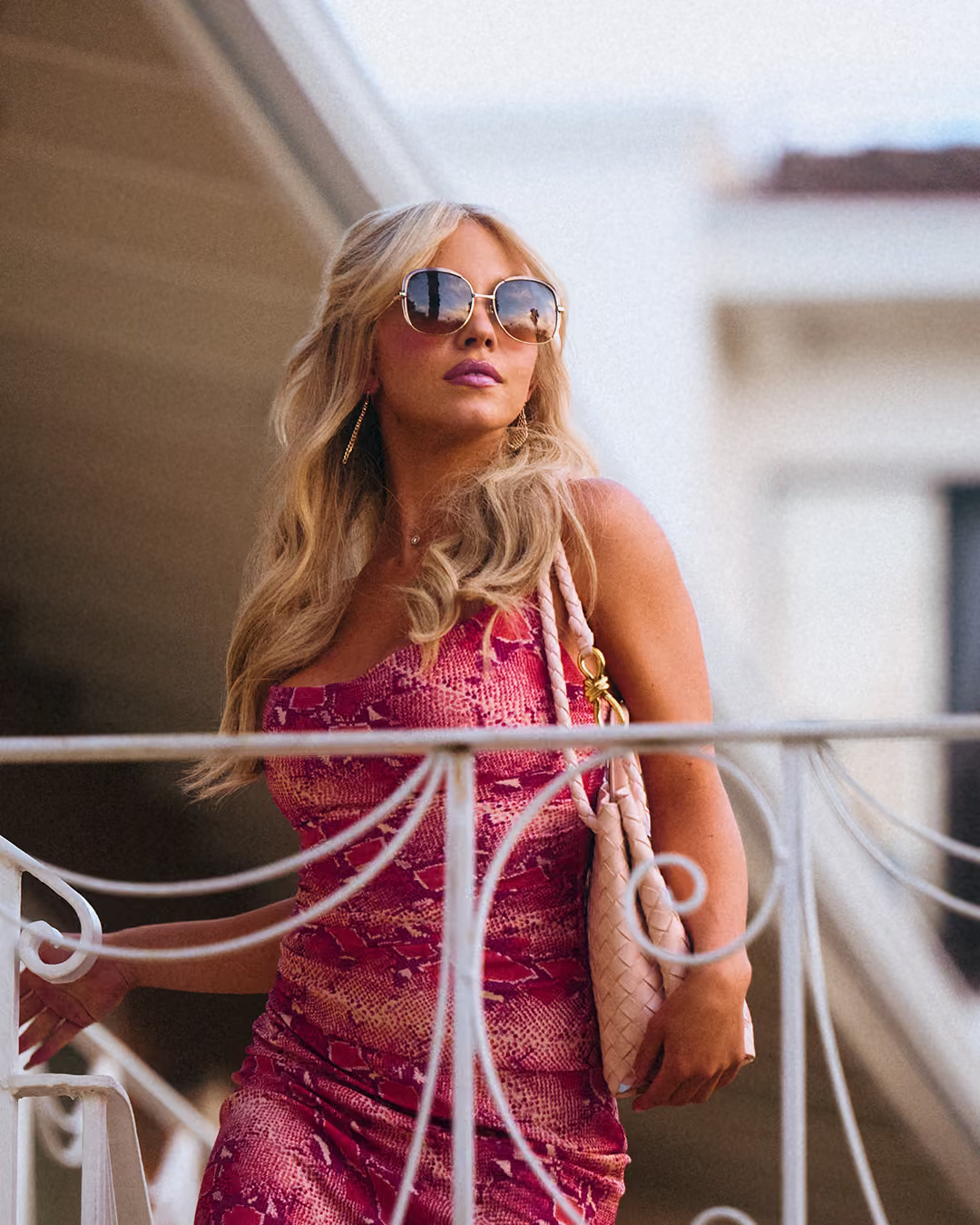
And then there’s Cassie, who started the season keeping up appearances as long as her tears wouldn’t betray her. But as the episodes went by, her character began a process of self-discovery. With the help of Maddie, she was able to fulfill her wish of monetizing out of the attention and validation she wanted and ultimately land a role on a TV show. Her clothes are in a way the least mature and the closest to the previous seasons as her character is the most attached to high school yet. Cassie romanticizes friendships, love and life, and even the hard work that involves boosting an entertainment career is outsourced to Maddie while Cassie is following instructions and doesn't even bother to read the contract she signed with Maddie. Cassie’s clothes are ultra-feminine, body-fitted, soft and pink. There’s a need to show wealth but it isn’t shown in a classy way. It’s extravagant and with questionable taste.
Rue
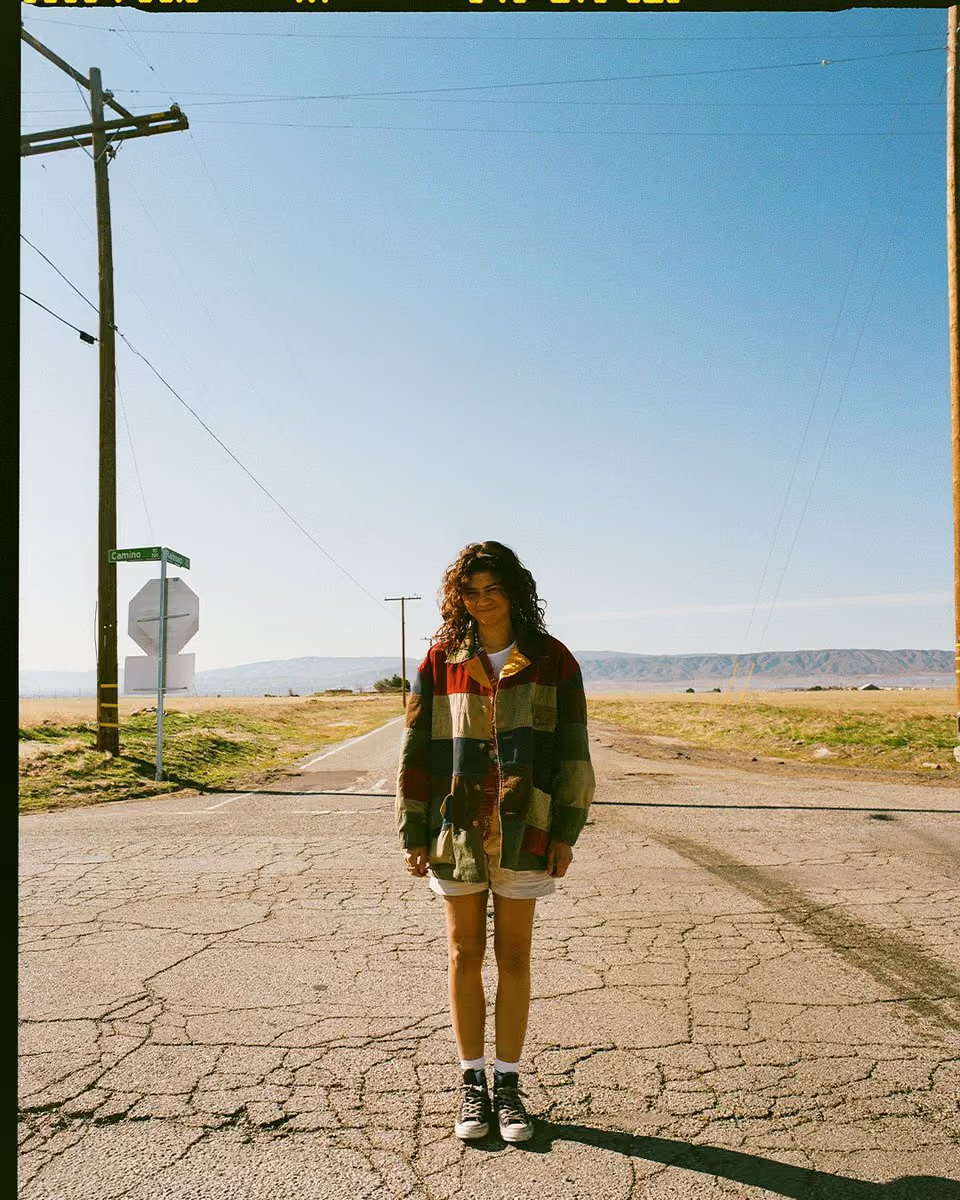
And then there’s Rue. The third season of Euphoria began with Rue traveling across the border, driving through state lines and moving fentanyl for Laurie. Her character is not stable emotionally and geographically and so her clothes are meant to have this mix and match feel that makes you feel these are clothes from a lost and found bin or a non-curated Goodwill box. Rue’s clothes are not tailored nor fitted to the body. She’s wearing shorts and sneakers to business meetings where everyone else at the table has a button down shirt. It also feels as though Rue is not taking life too seriously until she hits rock bottom, gets buried on the ground and sees her life at risk that she begins to reevaluate her decisions and the scenarios that she took herself into.
Controversies and angerbaits are trending both in fashion and in the entertainment world. If the formula is to motivate people to speak about the show from a place of anger, frustration, or misunderstanding, then the formula is working. Euphoria has always been a controversial show that serves as social commentary to illuminate parts of society we’d rather ignore: the fentanyl crisis, people disappearing from California, unemployment for Gen-Z, and the rise of multi-faceted forms of sex-workers in the digital age.
Fashion will continue to serve as a channel to tell these stories cohesively and successfully. At the end, the clothes have to match the absurdity of the moment.
.avif)