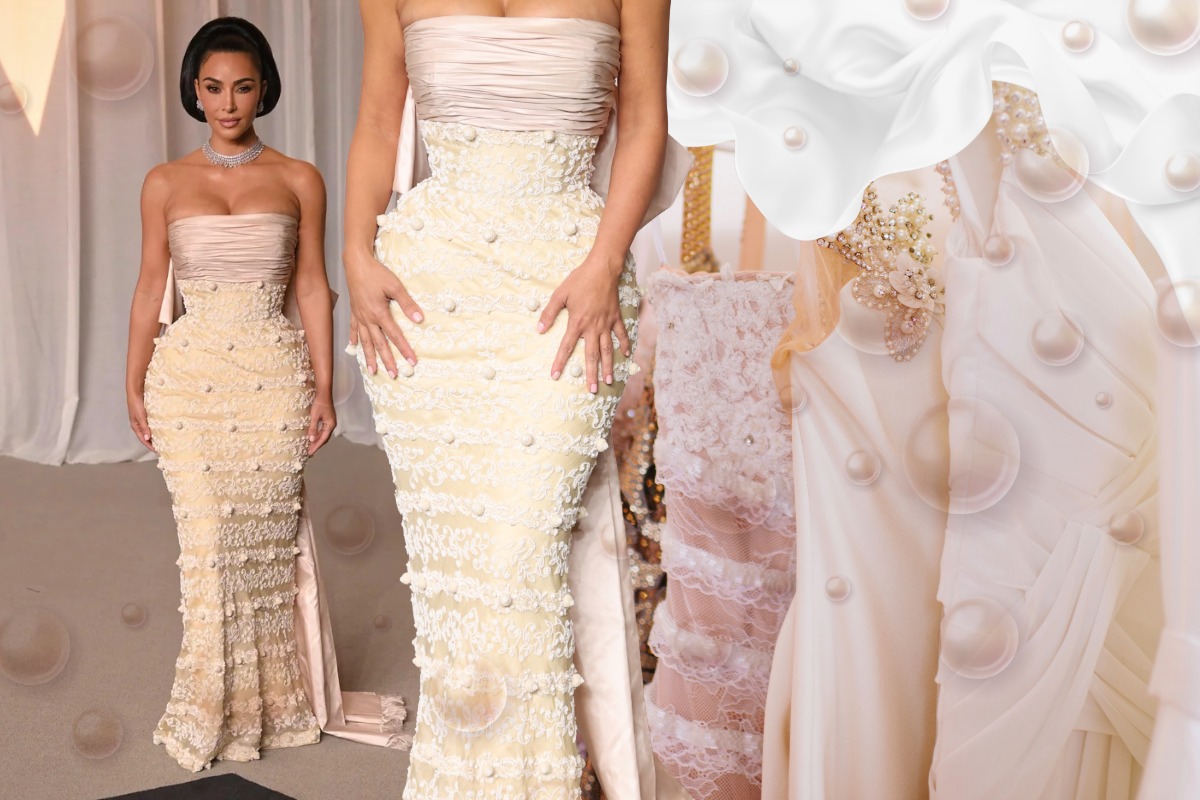



On Saturday night, Kim Kardashian arrived at the Academy Museum Gala in Los Angeles wearing a 1951 haute couture gown by Cristóbal Balenciaga. Balenciaga was a master tailor whose gowns were engineered to hold their own shape, sculpting space around the body rather than simply clinging to it.
Seventy-five years later, the dress is a snapshot of its moment. In the years after World War II, couturiers slowly brought joy, opulence and sophistication back to fashion, working with the materials they had and for the women of that era.
Taking a garment that old onto a red carpet is a gamble in itself. Makeup, hot lights, wind and constant movement all wear on fragile fabric and hand embroidery that cannot be replaced. The delicacy of these pieces preserves longer in museums where these dresses can be taken care of with proper lighting and storage conditions.
As if taking the dress out of the archives wasn’t enough, worse is what happened to the silhouette. On Kardashian, the gown was worn tight — tight enough that critics noted it was never cut for her proportions. Forcing a 75-year-old couture piece into a body-hugging shape works against the very architecture that made Balenciaga great. The dress is not badly designed. It was simply never meant to be worn this way.
It is a small moment, but it is a symptom of something larger. When the conversation is about who wore what and how loudly, the clothes, and the people who make them, become an afterthought. And when the sales numbers disappoint, those same people take the blame.
The revolving door
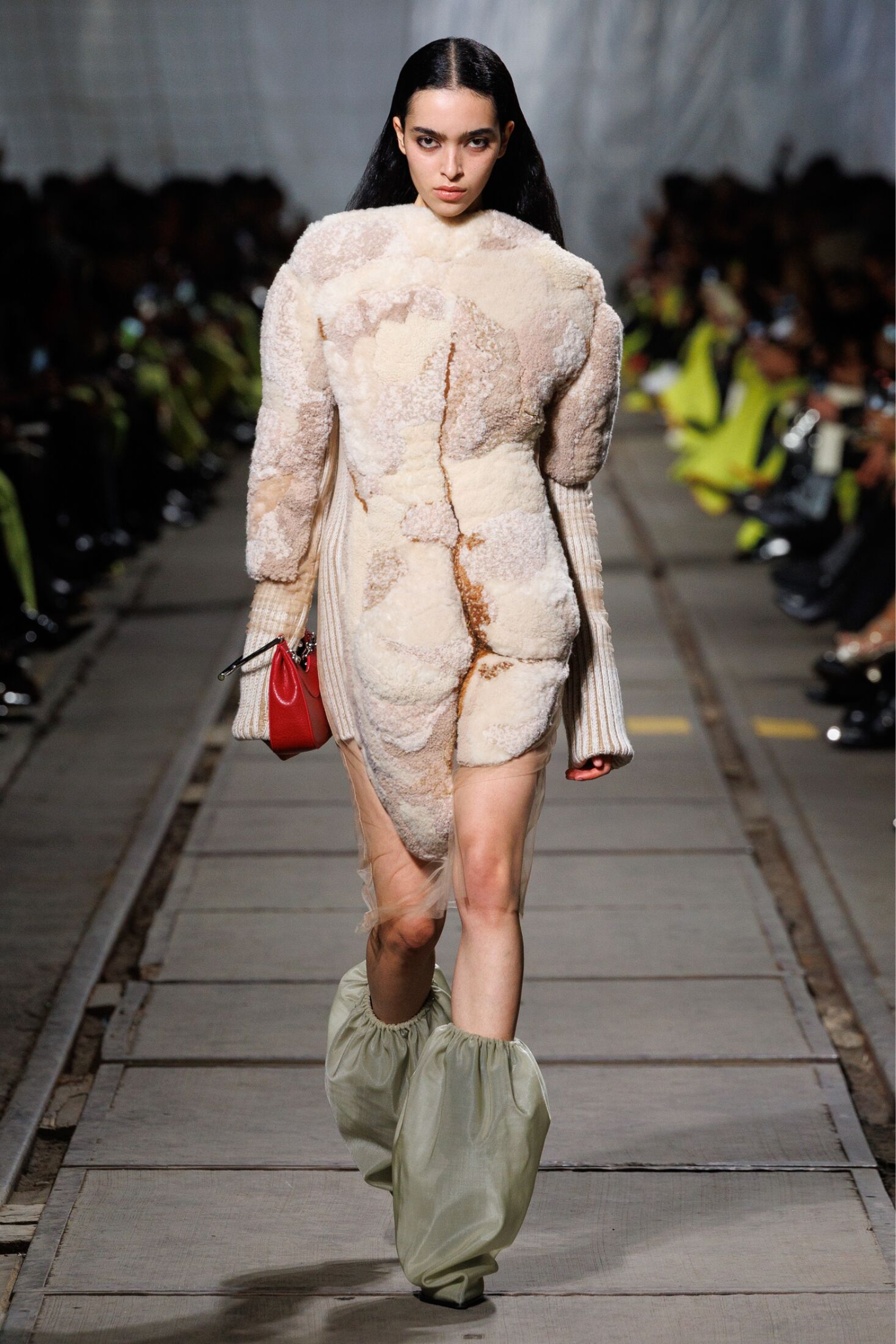
On Thursday, Oct. 15, two major houses announced within about an hour of each other that their creative directors were leaving. Seán McGirr is departing Alexander McQueen after three years. He was named creative director in October 2023, succeeding Sarah Burton, who had led the house for 13 years after Lee McQueen’s death in 2010. Calvin Klein, meanwhile, said Veronica Leoni would leave Calvin Klein Collection after only four collections.
Those exits came six days after Kering announced that Anthony Vaccarello was leaving Saint Laurent after a decade. His departure is the most telling of the three. Saint Laurent had returned to growth in the first half of the year, and his final show, staged in front of the Eiffel Tower, was hailed as one of his best. According to Puck, executives simply wanted the house to grow faster. Even success, it seems, is no longer job security.
The timing is telling. Calvin Klein’s revenue fell 7% in its most recent quarter, and Kering, which owns both McQueen and Saint Laurent, reports earnings on Oct. 22. The logic is familiar: a new creative vision is expected to deliver new sales, fast. But four seasons is not enough time for retailers and customers to see, understand and buy into a designer’s point of view.
Marc Jacobs, who spent 16 years at Louis Vuitton, named the problem in a recent interview with The Business of Fashion: “What I see is a bunch of non-creative people thinking that this all hangs on a creative person. And I think it’s just a big mistake.” Executives, he argued, treat a new creative director as the only fix for a struggling brand, when in fact there are many solutions and no shortage of talent.
What designers can’t control

A collection is the product of countless hours of research, sketching, sampling, draping, sewing, presenting and starting over. It is also the last link in a long chain of decisions designers do not make.
Today’s designers are working through a U.S.-Israeli war with Iran that has choked shipping through the Strait of Hormuz and pushed Brent crude back above $100 a barrel this fall. They are absorbing tariffs that destabilize small and midsize businesses and force rushed manufacturing decisions. They are reading customers unsettled by the wars in Ukraine and the Middle East. And they are adapting to artificial intelligence, a technology that three in four Americans view with more fear and concern than hope, according to a CNN poll conducted in September.
None of that shows up on a red carpet. What does show up is spectacle — a spectacle that is increasingly borrowed from the past with no talents from the present.
The past competing with the future
There is a rich story in a 1951 Balenciaga gown made with fine materials and hand embellishment. Archival pieces carry a rare kind of status. Pulling one signals access, a relationship with a fashion house or an archive, rather than mere spending power.
But when the conversation fixates on archives, and on the idea that the past is automatically more beautiful than the present, we lose the chance to make room for young designers and new ideas.
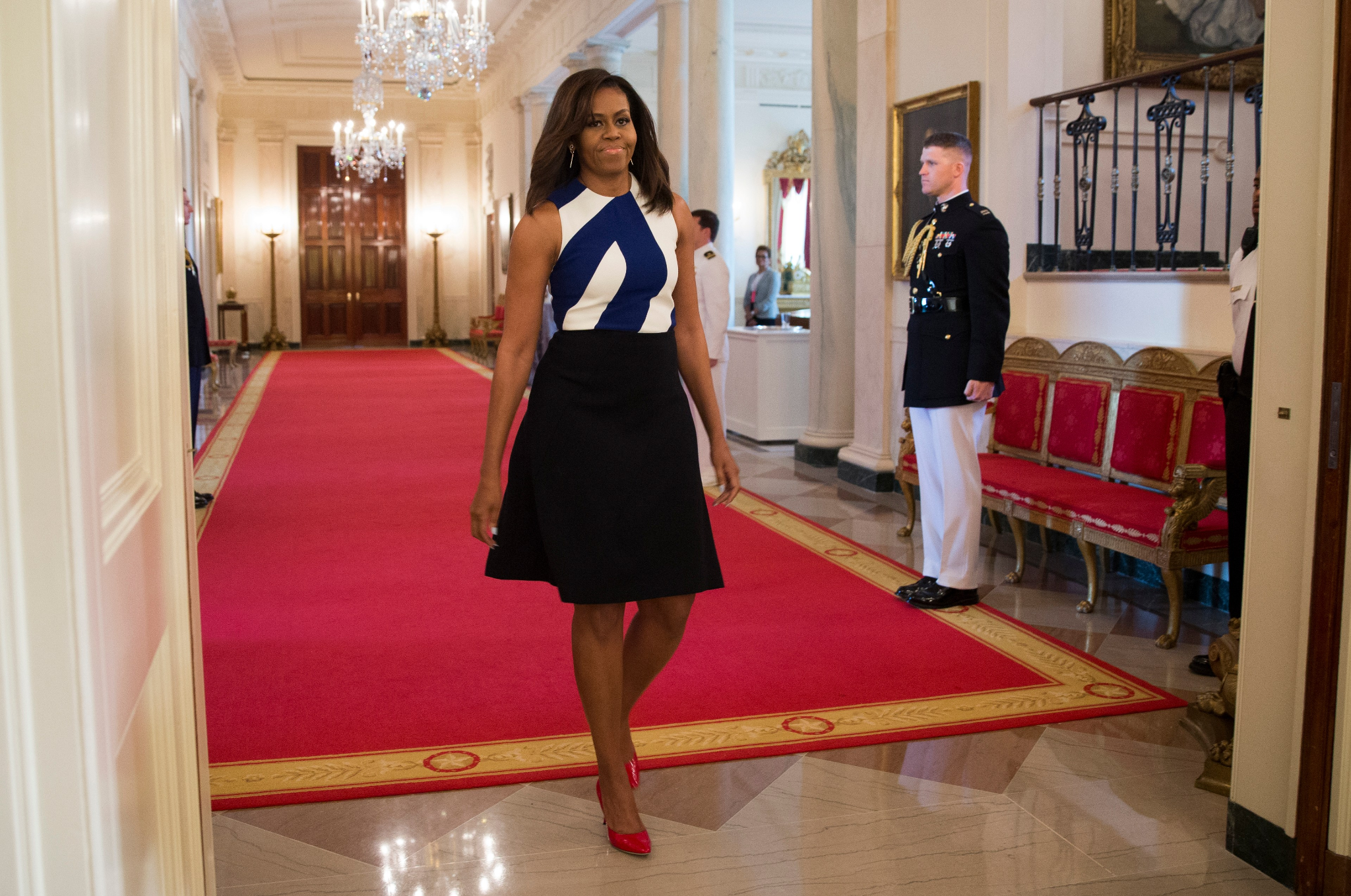
It wasn’t long ago that Michelle Obama used her platform as first lady to lift emerging American talent. Jason Wu, Isabel Toledo, Narciso Rodriguez, Christian Siriano and Brandon Maxwell dressed her for moments that became part of American history. Because she trusted them, Americans paid attention — and their careers took off.
Today’s first lady has worn American designers on key occasions, including Adam Lippes at the 2025 inauguration. But she has frequently favored established European houses such as Chanel, Valentino, Givenchy, Dolce & Gabbana and Dior. The bigger problem is not one woman’s wardrobe. It is that there are fewer platforms where new designers, new concepts and new ideas can be seen at all.
Give designers time — and a stage
Fewer platforms, a revolving door in the executive suite and a red carpet competing to pull the oldest, rarest piece add up to a crisis designers did not create. Blaming them is easier than confronting the business decisions, the economy and the culture of attention that actually shape what sells.
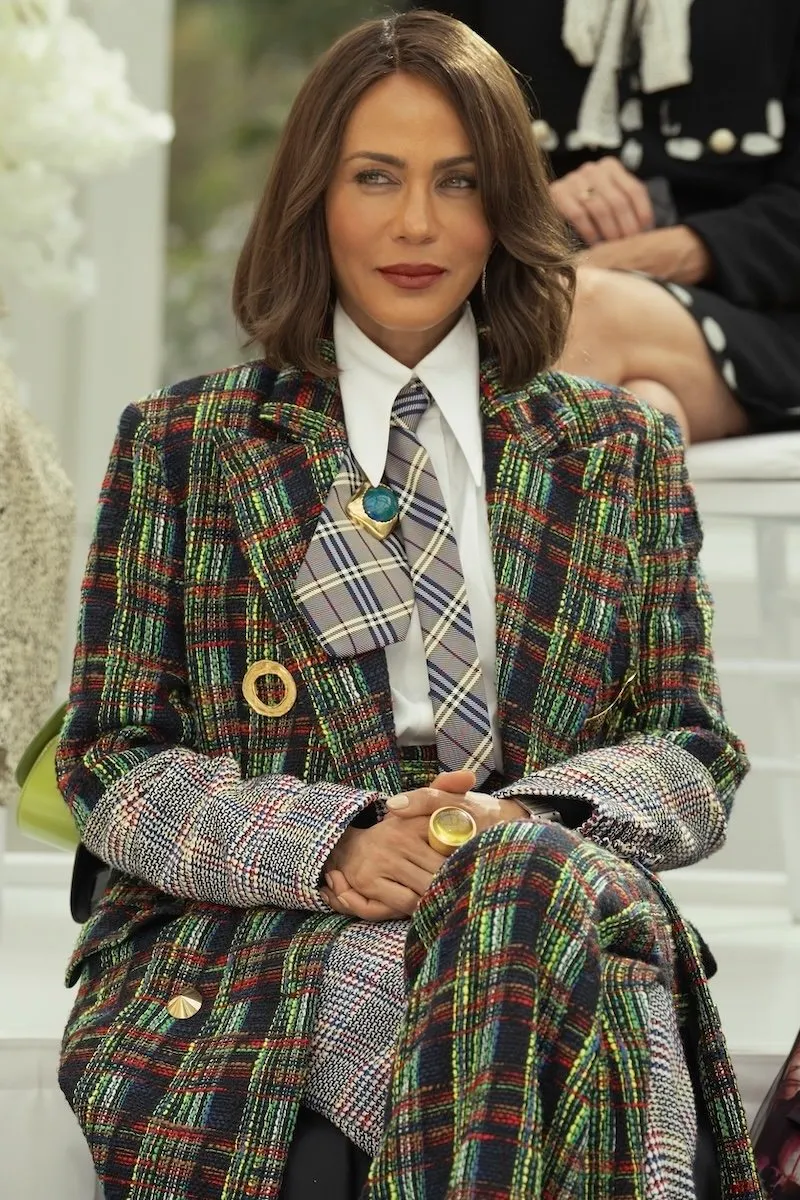
The fix starts with patience. Fashion houses should give creative directors enough seasons to build a language customers can learn. Stylists and celebrities should treat archival couture as history to protect, not a costume to squeeze into. There is an opportunity to leverage dresses from the past and style them with the present in a way that is respectful, inspiring and fashion-forward. Stylists like Molly Rogers understand this task incredibly by curating looks for the Sex and the City spin-off that blended memorabilia, new designers, vintage clothing and everything together told a democratic story about fashion.
And those with the biggest platforms that include editors, celebrities, actors, and First Spouses can spend some of that attention on the designers entering the industry now, who are working with sustainable materials, new technology and a more expansive understanding of the body and gender. Wearing these new concepts will help move our ideas forward.
The clothes are out there. The talent is out there. What’s missing is the time, and the stage, to let them be seen.