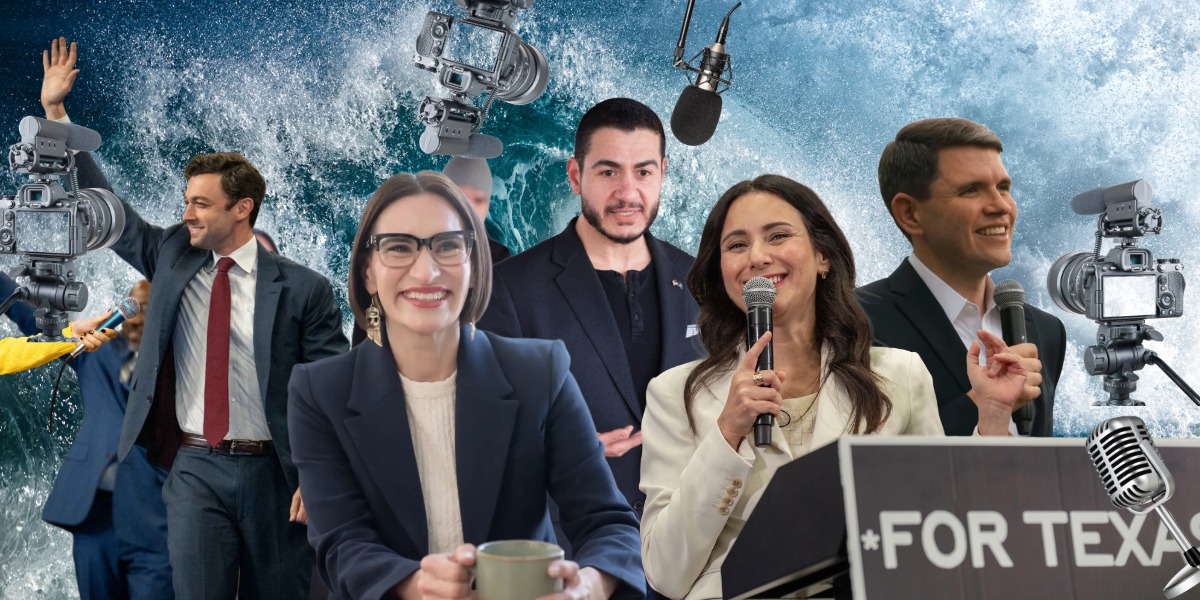
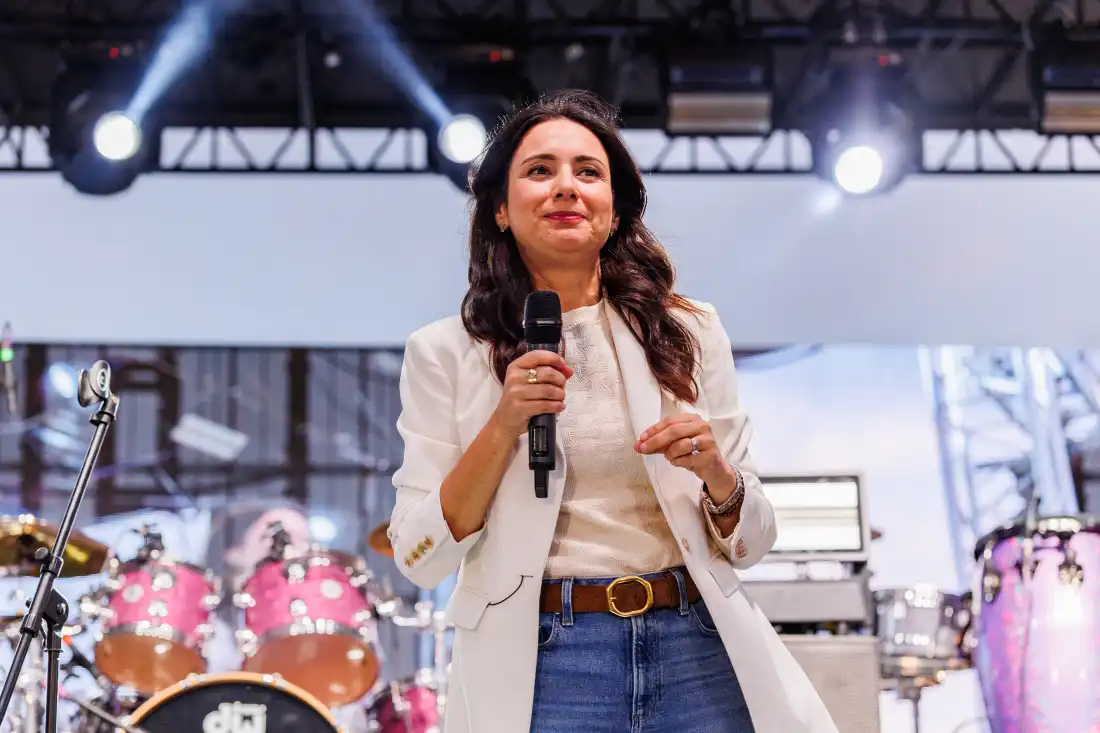
On October 15, Gina Hinojosa stood outside the Texas Governor's Mansion behind one of two podiums. The other stayed empty. Governor Greg Abbott, who had turned down four invitations to debate her, was campaigning in East Texas. Nineteen days later, Hinojosa became the first Democrat elected governor of Texas in more than three decades, and the state's first Latina governor.
That empty podium is a reminder that a campaign is, above all, a sequence of images. On Tuesday, voters chose all 435 members of the House, 35 senators and 39 state and territorial governors. Each of those candidates spent months being looked at: on stages, in interviews, in handshakes and in clips cut for phones. Every moment became evidence for the question voters ask of anyone seeking their vote: do I like this person, and do I trust them? "We had to introduce James Talarico to 31 million people over the course of 14 months", Seth Krasne, Campaign Manager of Senator-elect James Talarico explains.
TV ads are only one piece. Any occasion where a candidate appears, or is conspicuously absent, becomes part of the picture. And part of that picture, whether campaigns admit it or not, is what the candidate wears.
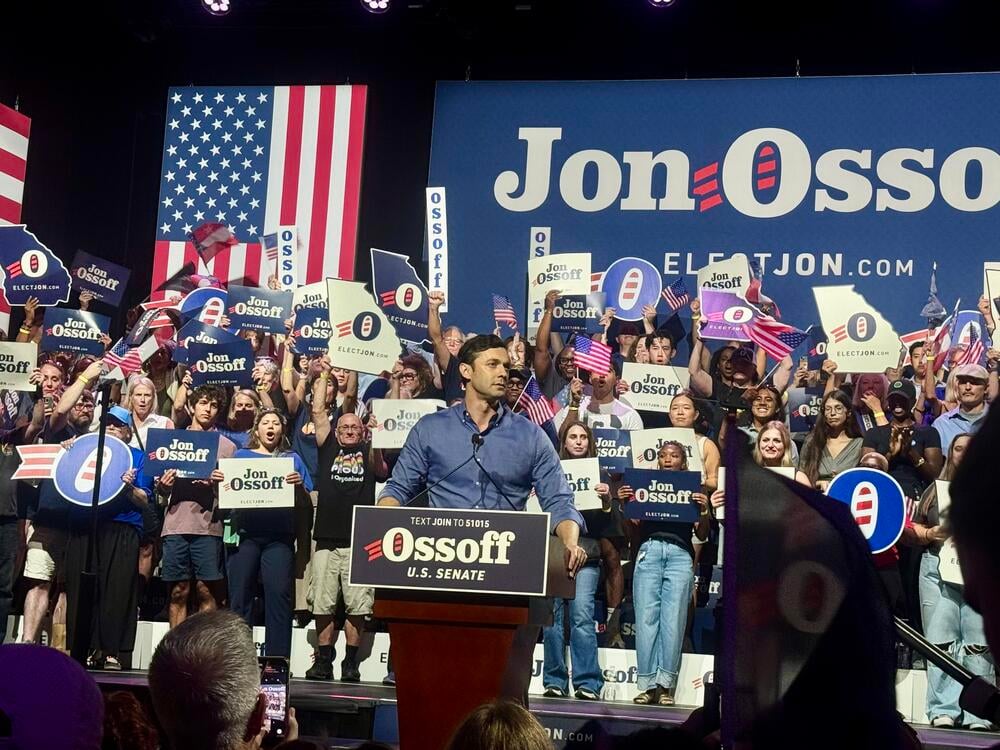
It is the rallies. Senator Jon Ossoff closed his race at a music venue in Atlanta last Saturday with a +2,000 crowd. The event livestreamed and cut into clips. The rally wasn't only for the people in the room. It was content: proof of enthusiasm, delivered to every voter who wasn't there. On Tuesday, Ossoff won a second term over Rep. Mike Collins by a landslide.
It is the feed. Senators-elect James Talarico of Texas and Abdul El-Sayed of Michigan ran secondary accounts alongside their main handles, a model Kamala Harris used in 2024. Talarico's @jamestalarico carried his own voice: statements, daily moments, reactions to the news. @TeamTalaricoHQ did the work a candidate shouldn't be seen doing: rapid response, third-person framing, clips of press exchanges and the opponent's awkward moments. One account built the person; the other built the contrast. Talarico defeated Ken Paxton with about 55 percent of the vote. El-Sayed beat Mike Rogers to become the first Muslim elected to the Senate.
It is the silence. Abbott refused to debate Hinojosa, and Paxton never committed to debating Talarico. Both lost. Some analysts called the strategy rational: after three terms, Abbott's record was well known, and a debate could only lend an underfunded challenger exposure. But skipping the stage doesn't erase the image; it hands it to the opponent. When voters can't watch candidates defend their ideas, or hear an incumbent answer for a record, they fill the gap with assumptions, ads and secondhand coverage. No campaign controls those narratives. Hinojosa understood this and made the absence a clear picture for voters.
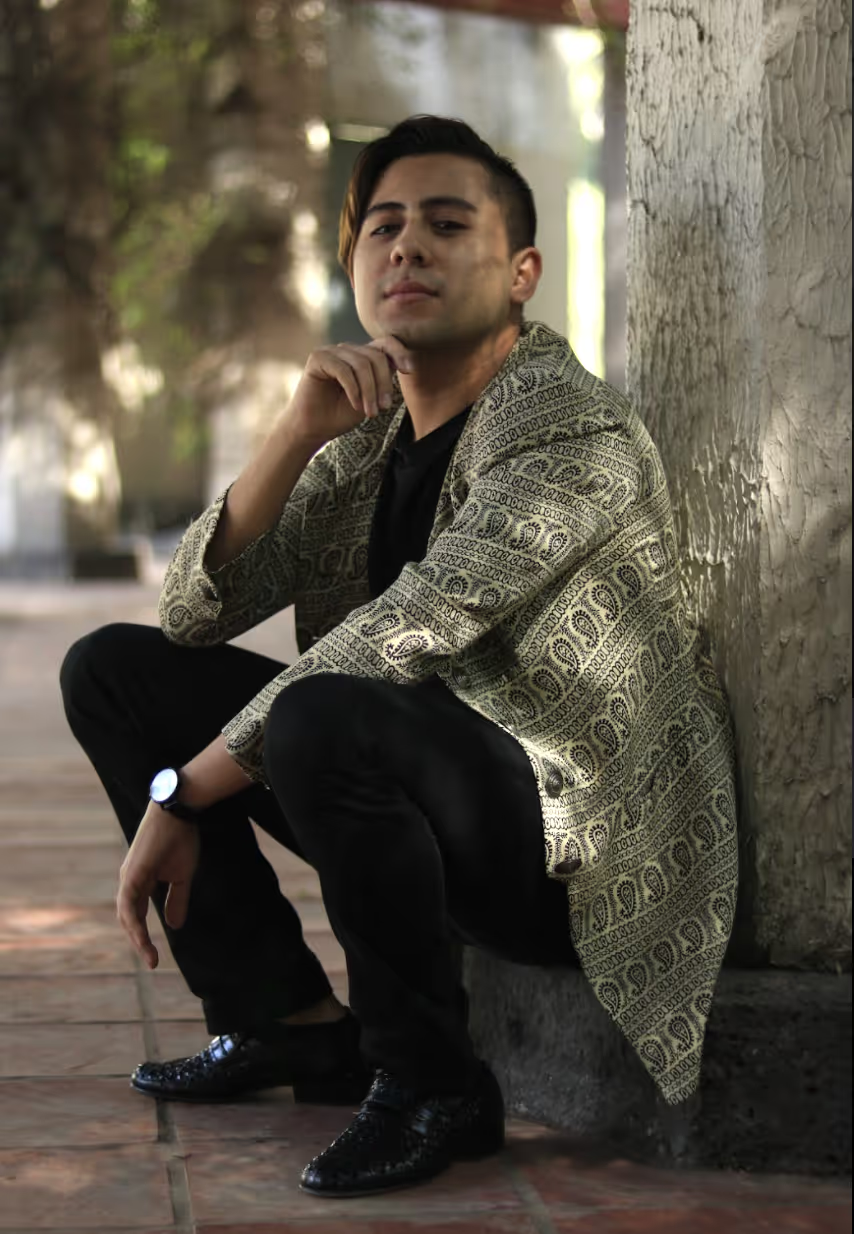
It is the clothes. A rally is not a red carpet, and no one expects a candidate to serve a look. But fit, styling and labels communicate whether we decode them consciously or not.
On October 5, at a rally in Grand Island, Nebraska, President Trump opened his jacket and flashed the lining. The label read Jos. A. Bank, a chain founded in Maryland whose suits sell for a few hundred dollars. For a man Forbes estimates is worth about $6.5 billion, long associated with Brioni suits that start around $5,500, it was a striking choice.
Read generously, it could have been a signal: an off-the-rack suit from an American retailer, worn while campaigning on the economy. But menswear writer Derek Guy pointed out that the brand's main line is made overseas, typically in China or Bangladesh, while its sister label, Joseph Abboud, is made in the U.S. Online, the suit became shorthand for two contradictions at once: an American-manufacturing pitch wrapped in an import, and an affordability message from the man whose name is on a $100,000 gold watch. Whatever the intent, the reading belonged to the audience.
Fashion is often dismissed as superficial. Yet anyone can tell when a tie is too short, a skirt is wrinkled or a shirt pulls at the buttons. Clothes are the one message a candidate delivers in every single frame.
The image is the message. "It was the greatest victory for Democrats since Watergate" Neera Tanden, CEO of the Center of American Progress explained during a post-election conversation. The candidates who won on Tuesday didn't win because of a rally, an account or a suit. Policy, money and the national environment did most of the work. But the winning campaigns shared something visible: coherence. What the candidate said, where they showed up and how they looked told the same story. Hinojosa's empty podium matched her argument that Abbott was hiding from voters. Talarico's two accounts let him stay warm while his campaign stayed sharp. The damaging moments came where the picture and the pitch were not matching: there was a governor who wouldn't take the stage, and a president whose suit label argued against his own speech.
That is the lesson of the longest job interview in America. Voters aren't only listening; they are watching, frame by frame, for whether the person matches the promise. Fashion is not decoration on that message. It is part of the message, and the one part a candidate can never take off.
The interview doesn't end with the victory speech, either. In January, the winners will raise their right hands in front of the cameras. What they wear that day, and whether it looks like the people who elected them, will be the first image of how they intend to govern.