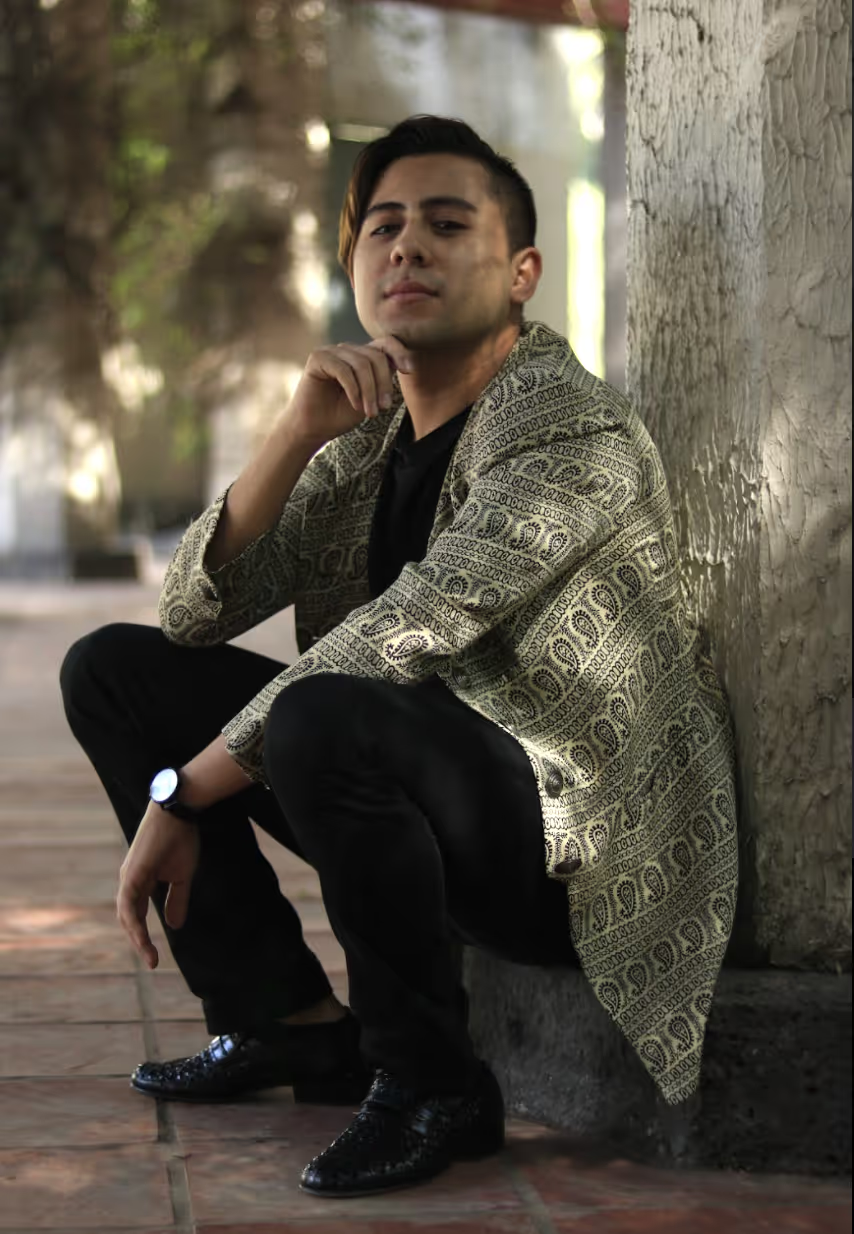
Saturday at the Hirshhorn
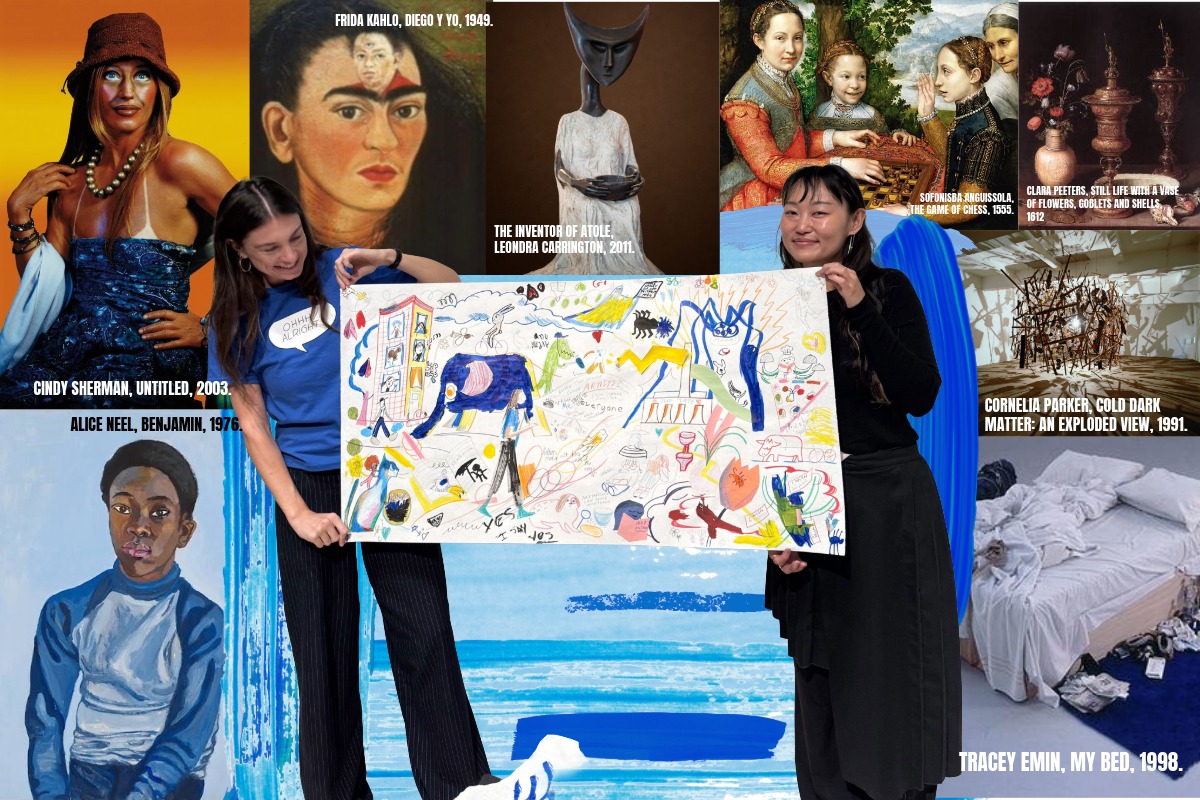
On a Saturday morning in October, the Hirshhorn's Ring Auditorium in Washington DC gathered an audience that rarely gets top billing in art history: children. Art historian and best-selling author Katy Hessel stood at the front while illustrator Ping Zhu drew live beside her. The talk felt less like a lecture and more like a conversation with the audience. Katie talked about her journey as an art historian, while asking children about their favorite artists, their thoughts about certain pieces and their own perception of art.
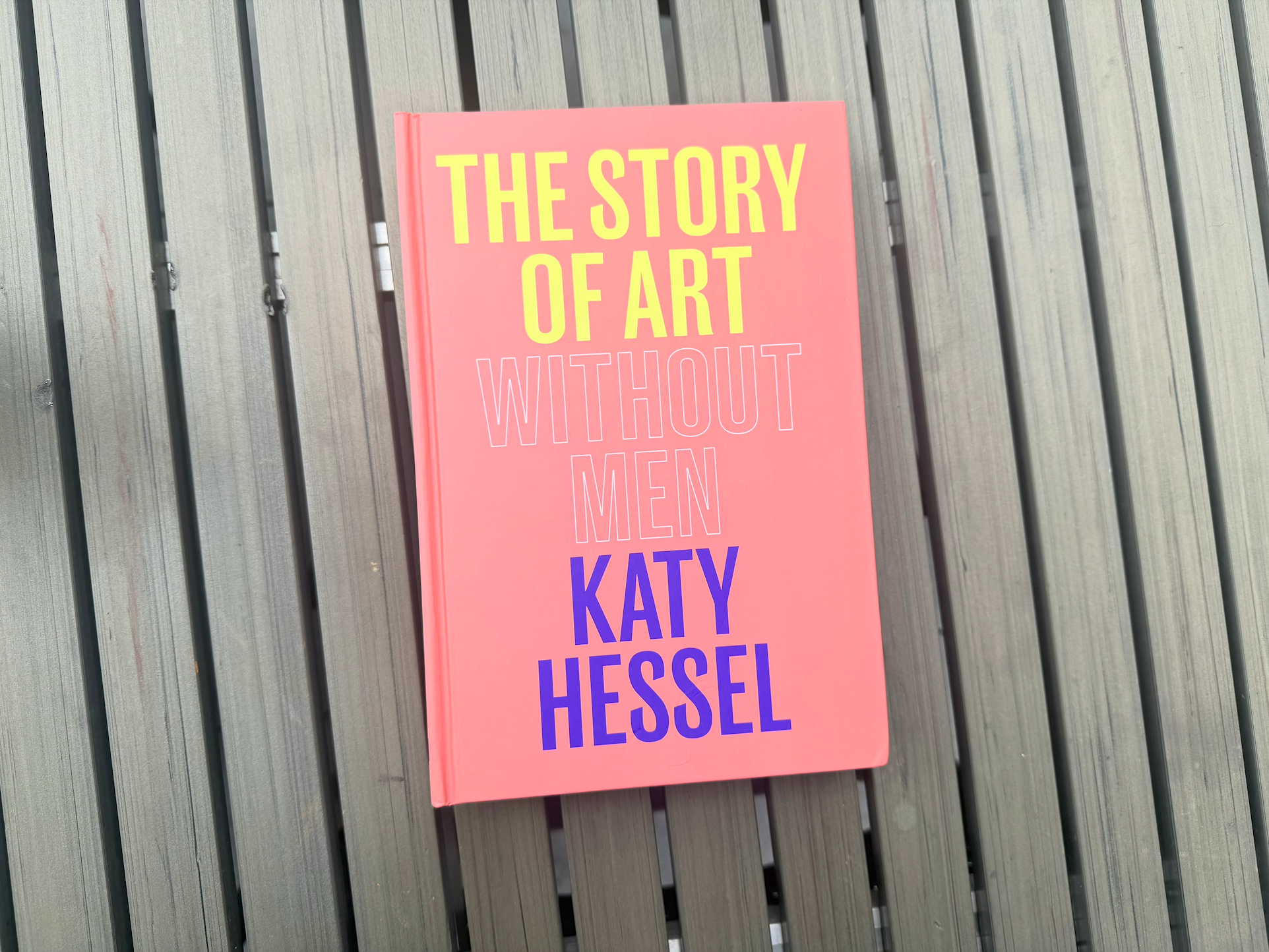
The occasion was the U.S. release of The Story of Art Without Men: An Illustrated Guide to Amazing Women Artists, her adaptation of the 2022 bestseller for young readers. The original was named Waterstones Book of the Year. The new edition asks a younger audience to do what museums have been slow to do: notice who is missing in their walls and exhibits.
After the talk, before the signing line took over, Hessel sat down with Political Fashion’s Javier Luna. We talked about why she wrote this version of the book targeted to young readers, what she found in the archives of art history, and what children tell her during her book tour.
The Numbers Behind the Silence
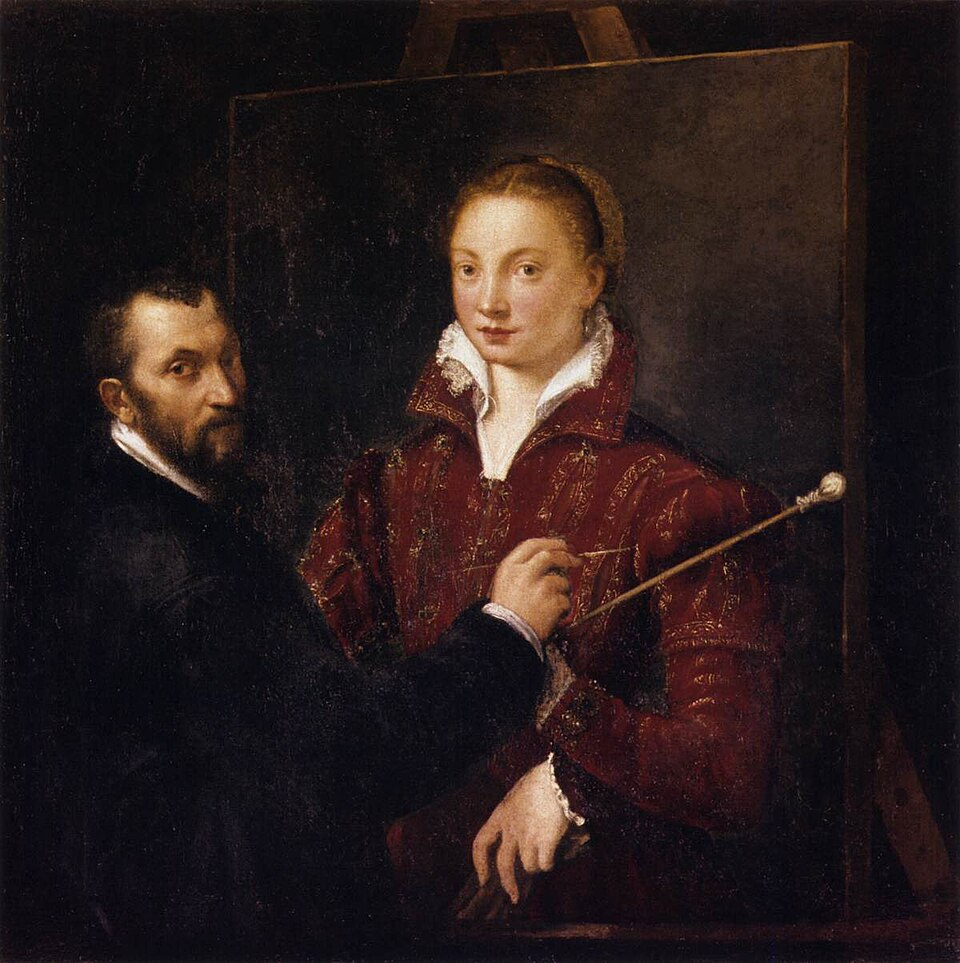
Hessel's project lands in an art world dominated by male artists. Amongst some of the most Googled artists Leonardo Da Vinci, Pablo Picasso and Vincent Van Gogh stand out, and while their talent, and art value is undisputable, Hessel’s work aims to give a space for those artists whose talent is simultaneously valuable but has not been celebrated.
From 2008 to 2020, just 11 percent of the works acquired by 31 major U.S. museums were by female-identifying artists, according to the Burns Halperin Report. Work by Black American women made up 0.5 percent, about 13 times below their share of the population. The walls tell the same story. Women accounted for roughly 15 percent of museum exhibitions over that span. And the trend is not reassuring: acquisitions of work by women peaked back in 2009.
That is the gap Hessel has spent a decade filling. A gap she identified when she found herself not being able to name ten female artists. She understood there were many stories of artists and a lot of art that has gone unrecognized for far too long.
Today, a children's edition of The History of Art Without Men is a bet on the long mission Hessel has on filling this gap. A kid who grows up knowing Artemisia Gentileschi and Alma Thomas will walk into a museum expecting to see them, and may ask out loud why they aren't there.
"As Many People as Possible"
Hessel describes her mission explicitly. "My mission is all about bringing as much art history to as many people as possible," she explains.
That instinct predates the books. She started @thegreatwomenartists on Instagram, searching for the artists she was not seeing in museums, galleries and exhibits. At the same time, she built a community of people who love art and share the same passion.
She built it for two audiences at once. "I wanted people who were art lovers and new to art to feel like they could be welcomed into this amazing subject," she said. "So it felt like the natural next step to bring it to younger readers."
The account grew into a podcast, a Guardian column, and two books for adults. The children's edition, published in the U.S. by Norton Young Readers, makes the same argument to readers who haven't yet absorbed the old version of the story.
Never Hidden, Just Unrecorded
I asked Hessel about how the "forgotten women" story tends to blur. These artists were not in hiding. They worked in the 1500s and 1600s. Their work was often in plain view. So what was it like to go looking for them and the work they had produced throughout centuries?
The search, she said, began with a follower's question a few months into the Instagram account: which women artists worked before 1900? "I thought, my God, I actually don't know," she recalled.
She went to the British Library and found slim pickings. "They were sort of tiny black-and-white reproductions," she said. "It was actually quite hard to find them." She credits the women scholars who had compiled those volumes, keeping the names alive when museums did not.
What stayed with her was the work itself. "I was amazed at what they achieved with so little resources," she said, "at a time when all the odds were against them."
No More "Over There"
One of the book's quieter provocations is that it refuses the old ranking of mediums. Pottery, textiles, photography, and painting sit side by side, each treated as art. That alone unlearns a good deal of what many of us were taught.
Hessel frames it as taste as much as principle. "I'm a generalist. I'm not an academic," she said. "I love textiles. I love pottery. I love painting. I love sculpture." She knows how history has handled some of those forms, setting them "over there" or waving them off as craft. Her aim is to "make sure everyone and everything is celebrated."
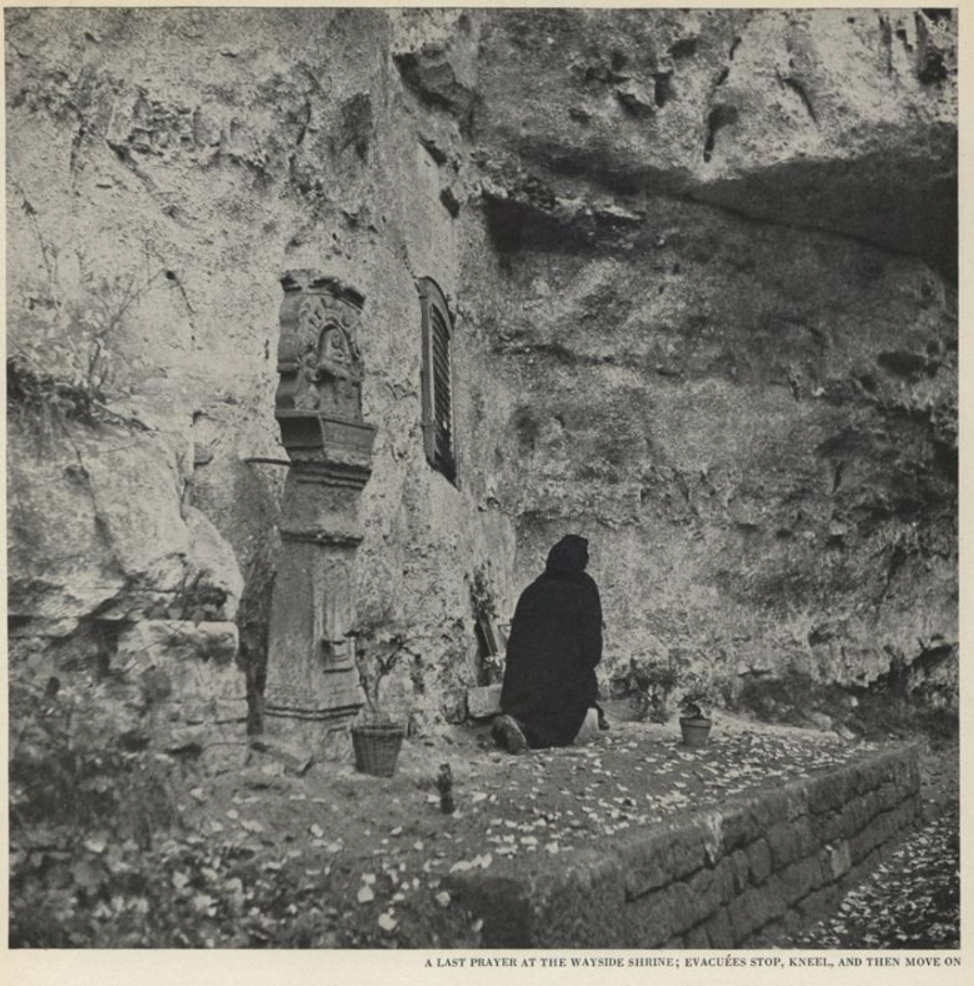
The same refusal to box people in extends to careers. I told her I knew Lee Miller first as a journalist, the woman who covered the Second World War for Vogue. Against all odds, she captured photographs of the tragedies of the war, the soldiers, the victims and the health centers. British Vogue initially refused to publish Miller’s photographs of the liberation of the Dachau and Buchenwald concentration camps after World War II, labeling them as too graphic for a fashion audience. Lee Miller sent the photographs to American Vogue where they ended up being published. I had seen her work through the lenses of journalism, fashion, and politics, but never through the lenses of an artist. "You can be a journalist, but you can also be a photographer, and actually the two go hand in hand," Hessel said. Her advice to young readers follows from it: don't limit yourself, because "everything kind of feeds everything."
The line between documenting the world and dressing it was always thinner than what our general understanding of fashion, press and art would admit.
Eight to 108
Asked about the response on tour, Hessel kept coming back to the kids. Her talks are built around hearing their opinions, she said, and treating the session as "a shared conversation."
Writing for children, she argues, strips away the hierarchy that makes museums feel closed. "When you write for children, there's no hierarchy," she said. "They've got to be on your level." She thinks about the reader she once was. "I would have wanted that when I was a kid," she said. "Someone saying, 'I take you seriously.'"
She insists the book isn't only for children, either. "What we often say in England, it's age eight to 108," she said. "It's for absolutely everyone."
Every Room, Not a Separate One
Washington was a fitting stop. Alma Thomas painted here for most of her life, and Elizabeth Catlett was born here; both appear in the new book. The city is also home to the National Museum of Women in the Arts, founded on the premise that women artists needed a room of their own.
Hessel's wager is that the next generation will expect women in every room. If the numbers are the problem, her answer is patient and generational. Put the full story in children's hands early, and let them ask the hard questions later, out loud, in the galleries.
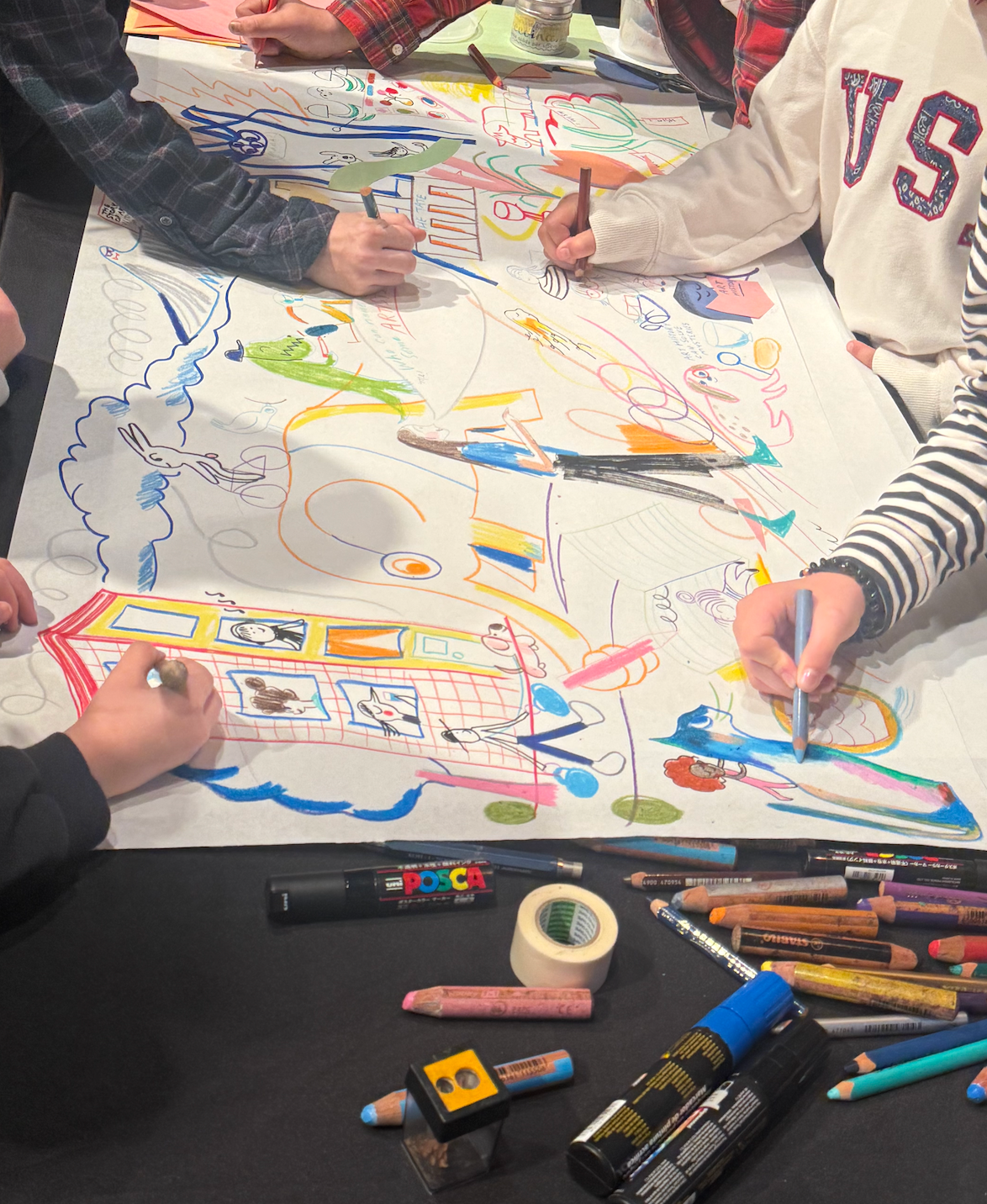
During Hessel’s presentation, illustrator Paul Zheng made a live drawing responding to the places, art and expressions that Hessel was referencing during her presentation. Later on, the children in the crowd were invited to use art supplies to interact with the drawing and bring different perspectives into one.