

The way clothes fit is almost as important as the beauty of the clothes themselves: the tailored sleeves, the hem lying just above the floor without dragging, but long enough to cover the shoelaces of a shoe. Fit has always been a critical dealbreaker in fashion, and it's what has made the role of tailors and seamstresses so crucial to the industry, regardless of the trend or the garment in question.
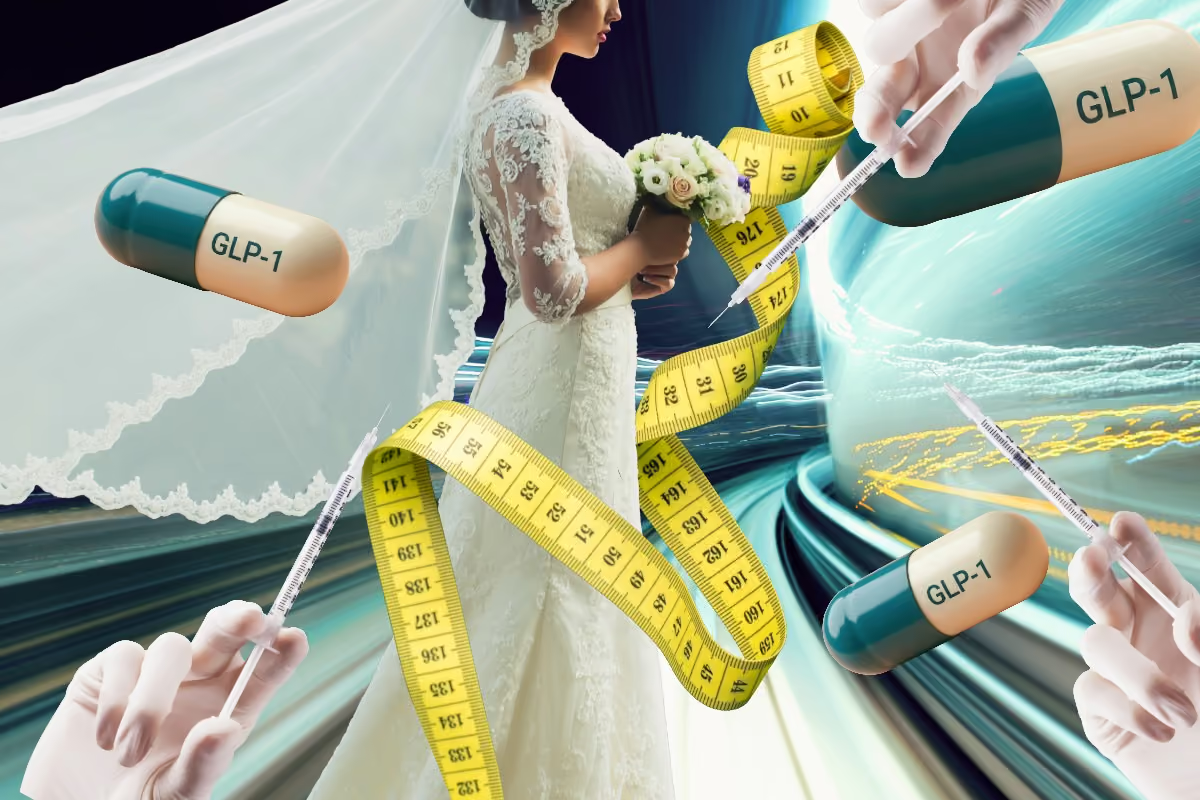
In today's fashion climate, the increasingly rapid changes in consumer body sizes have become a major subject of discussion. Weight loss medications like GLP-1 receptor agonists — most famously the brand Ozempic — have created a growing consumer base whose sizing is changing within weeks. How is the fashion industry responding and adapting to this shift?
Hollywood has been a strong platform for slim bodies in the age of GLP-1. Celebrities wear tight, fitted pieces that accentuate their figures and draw attention not just to the clothes but to the body of the person wearing them. Celebrities like Oprah Winfrey and Meghan Trainor, who have publicly confirmed using weight loss medication, are bringing tailored, well-fitted silhouettes to their public appearances. They're also fueling the broader conversation about GLP-1's impact on people's health and wellness when taken under professional medical guidance: "The fact that there's a medically approved prescription for managing weight and staying healthier, in my lifetime, feels like relief, like redemption, like a gift, and not something to hide behind and once again be ridiculed for," said Oprah Winfrey during an episode of The Oprah Podcast. "I'm absolutely done with the shaming from other people and particularly myself." This kind of celebrity candor has pushed the conversation about GLP-1 further into public view, shaping how consumers relate to fashion and their own bodies.
The conversation around bodies in fashion is not new: in the early 2000s, misleading diets and tabloid tales about liposuction dominated gossip headlines in pop culture and fashion. But the speed at which people are losing weight and changing sizes makes these conversations particularly relevant today. The commentary online about what size a certain celebrity was versus what size they are now is a cynical public debate triggered by the popularity of this medication that is making people lose weight at a fast pace.
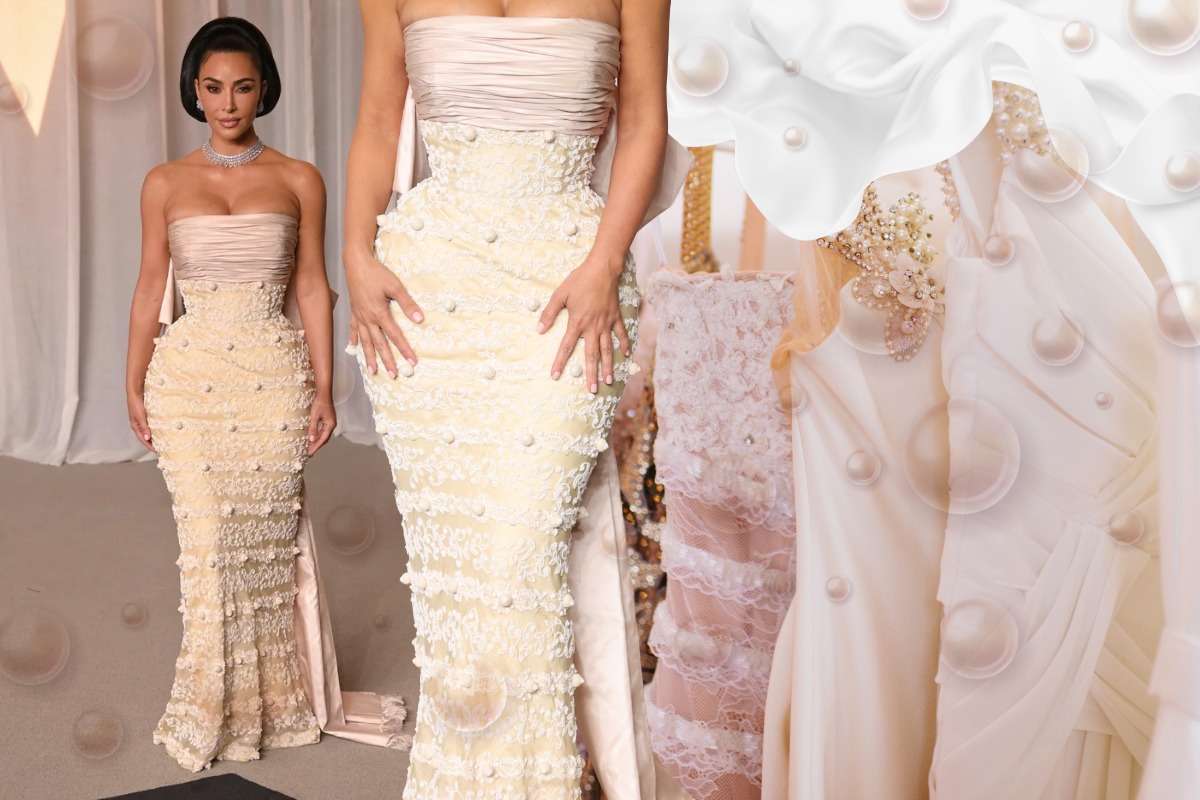
The way mystery and Hollywood gossip flirt with each other to generate headlines and clickbait on these topics adds further relevance in the 2020s. Some public figures have chosen to share the process behind their weight loss. Oprah Winfrey has spoken in numerous interviews about her path to losing over 40 pounds through prescribed GLP-1 medication, daily hiking, and strength training. The ways GLP-1 and fashion intersect are numerous. For instance, there's an argument to be made that consumers now have a better chance of finally wearing vintage pieces they purchased years ago but hadn't fit into for a while. On red carpets, as archive fashion continues to be a relevant way of dressing, the size range available is more limited — so consumers may feel pushed or tempted to pursue a GLP-1 prescription with a perfect fit in mind.
Nowhere is this shift more visible than in bridal, where a single garment has to survive one of the most photographed, memory-laden days of a person's life.
The Bridal Industry as a Microcosm of the Larger Phenomenon

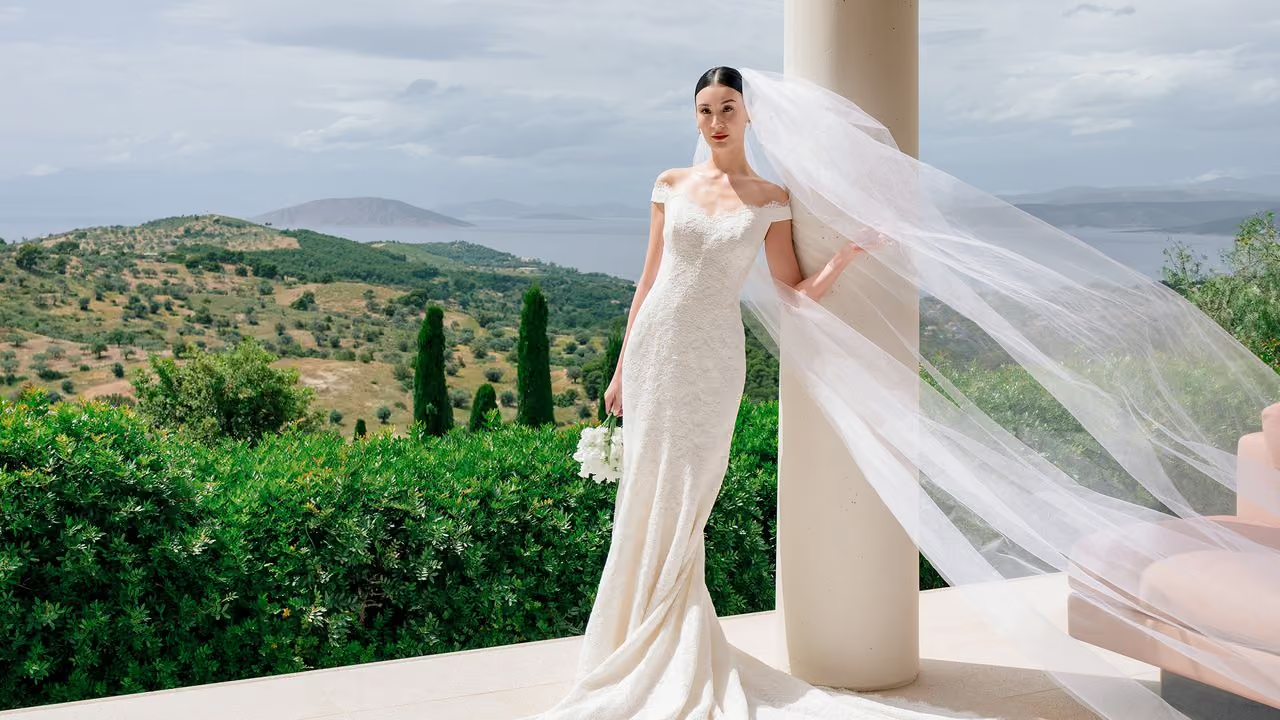
The bridal industry revolves around finding one perfect dress. It is meant to fit impeccably, be photographed hundreds of times, and live in the bride's memory for years to come. It will be captured by videographers and guests' phones, then stored in iCloud accounts and on social media for years afterward. The dress is meant to survive the test of time, so the challenge for designers and retailers is to create gowns designed to be long-lasting — permanent, to an extent. At the same time, these gowns need to flex and adapt to the changes the customer's body will undergo.
Traditionally, brides begin looking for a wedding dress months before the event. Weight changes are not uncommon, so minor alterations typically happen a few weeks out. But when a bride goes from a size 12 to a size 9, the changes needed are structural, not minor. It's not simply about opening seams and bringing the dress closer to the body — it's about reengineering the architectural base around a different form. Sometimes the details that made the dress special in the first place get lost or altered in the process.
Many boutiques have protected themselves financially and legally in case the dress doesn't fit on the wedding day, should the bride's measurements change due to pregnancy, muscle gain, surgery, GLP-1 use, or any other reason.
In response to these continuous changes in body measurements — and in a market that depends on customer satisfaction and good reviews — the bridal industry has adopted a few different strategies to address the issue.
- Fit Guarantees: Major bridal retailers (such as David's Bridal) have introduced explicit guarantees pledging to resize, tailor, or swap out a gown if a bride's body changes between the date of purchase and the wedding day. This offers major relief for anxious brides. The retailer focuses on customer satisfaction and leverages its large inventory and warehouses to provide guarantees that put the consumer at ease.
- Delayed Size Orders: Some boutiques now offer programs that let brides select their gown style early to reserve the dress and fabric, but delay taking final body measurements for ordering until three to four months before the event. This gives boutiques more realistic information about what the client's body is likely to look like by the wedding day, reducing the likelihood of major fit alterations — which end up costly for either the customer or the business.
- Flexible Dress Engineering & Construction: Thoughtful decisions made early in the design process can save countless hours and dollars in fit alterations down the line. This is why designers are increasingly favoring silhouettes and structural elements built to adapt seamlessly to body changes.
- Corset and lace-up back closures allow a bodice to naturally expand or contract by one to two dress sizes without requiring structural alterations. These elements blend seamlessly with classic bridal gowns and can be ornamented and rendered in a wide range of textiles and textures.
- Strategic seam allowance: More manufacturers leave generous internal seam allowances (one to two inches of extra fabric hidden inside the side seams), making it far easier to let a dress out if needed. Some small businesses do this as standard practice so they can easily tailor dresses to the customer without the cost and labor of building a new gown.
- Stretch fabrics: Modern bridal fashion relies heavily on stretch crepes, buttery silks, stretch laces, and jersey linings that hug curves while flexing comfortably with mild weight gains or losses. These fabrics are especially popular among brides who prioritize comfort, since they allow movement, dancing, and walking without restriction. They can be finished and embellished so well that it's often hard to tell they're stretchy at first glance.
- Modular and two-piece gowns: Separates, such as bodysuits, corsets, and detachable overskirts, allow individual pieces to be resized or swapped without remaking the entire dress. These designs are also popular as it becomes increasingly trendy for younger brides to wear more than one look on their wedding day. A longer gown for the ceremony with a detachable skirt that can be removed for the reception allows more room for adjustment without compromising the fit of either piece.
- Ready-to-Wear and Secondhand Dresses: There are customers who don't want to go through the process of being measured, having a dress adjusted, and then paying anywhere from $300 to $1,200 for further adjustments, depending on the alterations or structural changes the dress needs. This is why many brides now choose an off-the-rack alternative instead: waiting until closer to the wedding date to shop, when their body is more likely to resemble what it will be on the day, and looking for a design that needs little to no alteration in the first place. These dresses can be found in department stores and in vintage or consignment shops as well.
The rise in popularity of GLP-1 medications is already changing the fashion industry, pushing it to evolve from within to address the current needs and desires of today's consumers. The bridal industry's evolving strategies prove how committed retailers are to their customers — tailoring not only to their bodies, but to the timelines and manner in which those bodies are changing amid the rise of GLP-1.
These changes open a series of opportunities in the fashion industry, where adjustability, comfort, and transformation may become more central to the conversations people are having about what they wear. The engineering and design of these pieces will be about not just fitting the customer's body today, but tomorrow and the day after. What would that look like, and what other technology, textiles, or design developments can the fashion industry pursue to meet this growing need?


.avif)